Symbolism.co
Symbols Across Cultures
Look closely at the people and objects behind the sign.
Cultural symbols can express identity, authority, belonging, or a wish for protection. Their meanings change as objects travel and communities reinterpret them. A useful explanation names the culture and period rather than treating a whole region as one tradition.
These guides separate writing systems, religious imagery, decorative patterns, and modern revivals. Museum objects offer a dated point of comparison, not proof that every similar shape has the same meaning.
Explore the collection
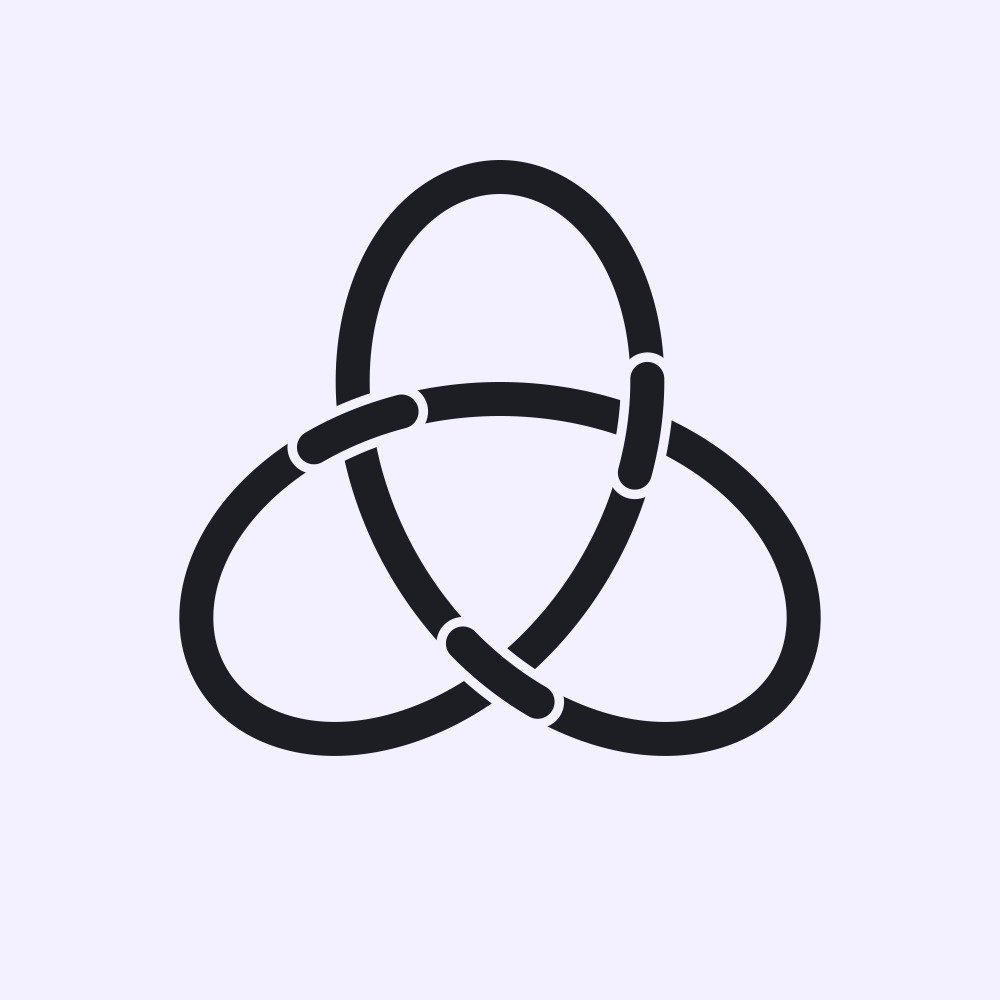 Celtic Symbols and Their Meanings
A guide to knots, crosses, spirals and Irish emblems that separates documented history from meanings assigned much later.
Original illustration · Symbolism.co editors — original vector illustration · CC0-1.0 · Source record · License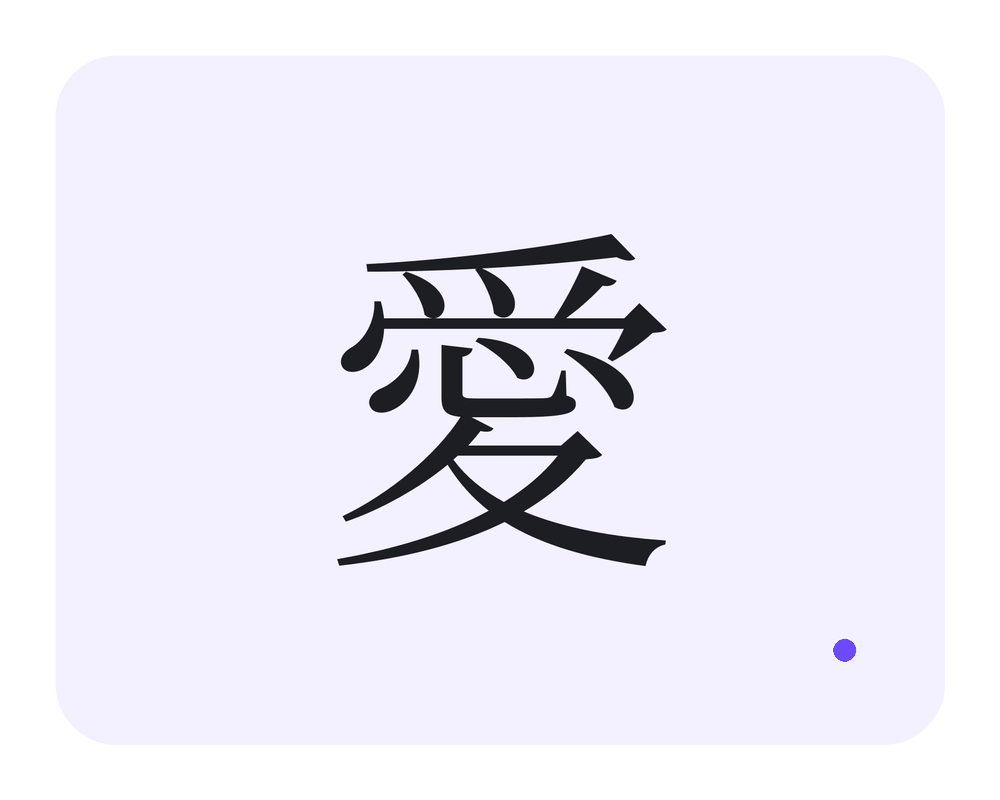 Chinese Symbols and Their Meanings
Chinese characters are writing; dragons, bats and flowers are images. Both can carry meaning, but they are read in different ways.
Original illustration · Symbolism.co editors; original code-rendered illustration · CC0 · Source record · License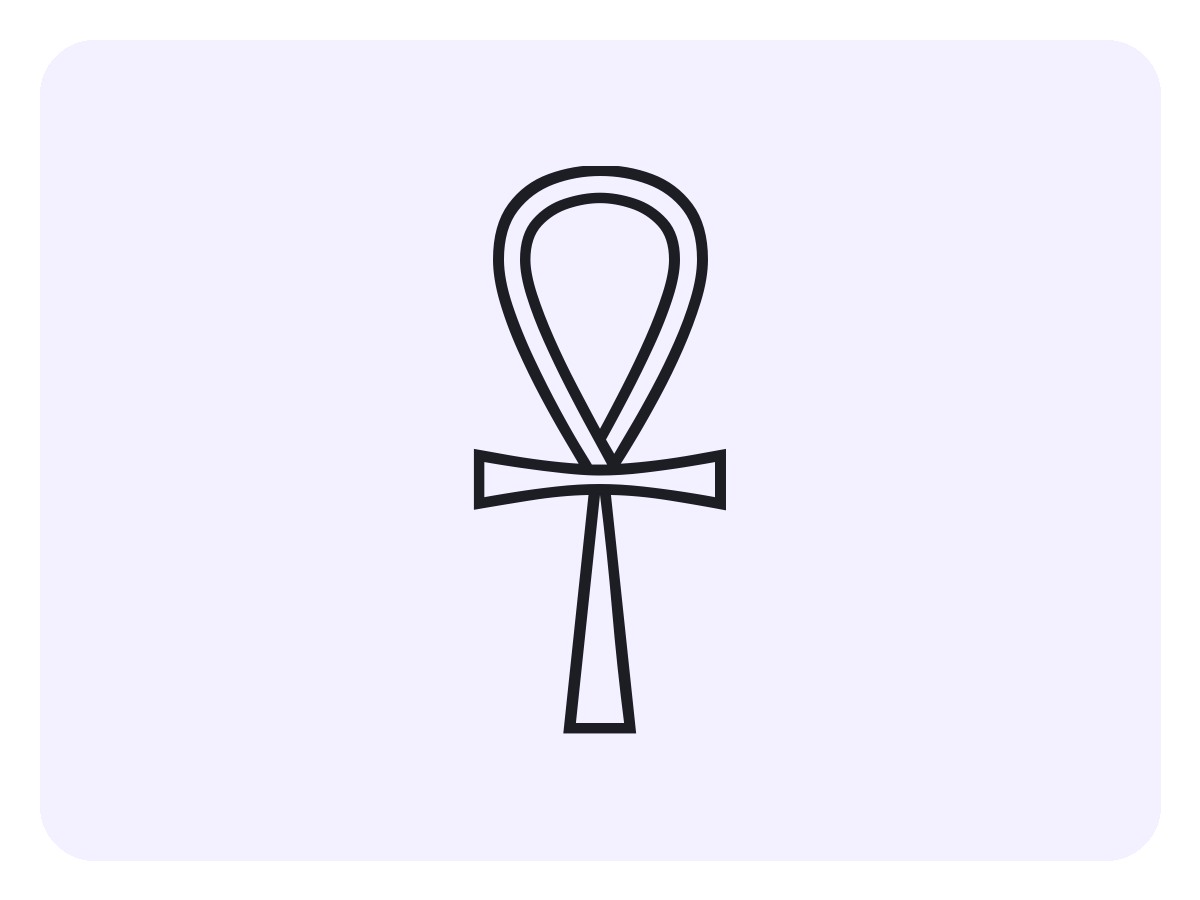 Egyptian Symbols and Their Meanings
Life, protection, kingship, and renewal explained through Egyptian signs, dated artifacts, and the differences between writing and symbolism.
Original illustration · Symbolism.co editors; original code-rendered illustration using Noto Sans Egyptian Hieroglyphs (SIL OFL 1.1) · CC0-1.0 · Source record · License
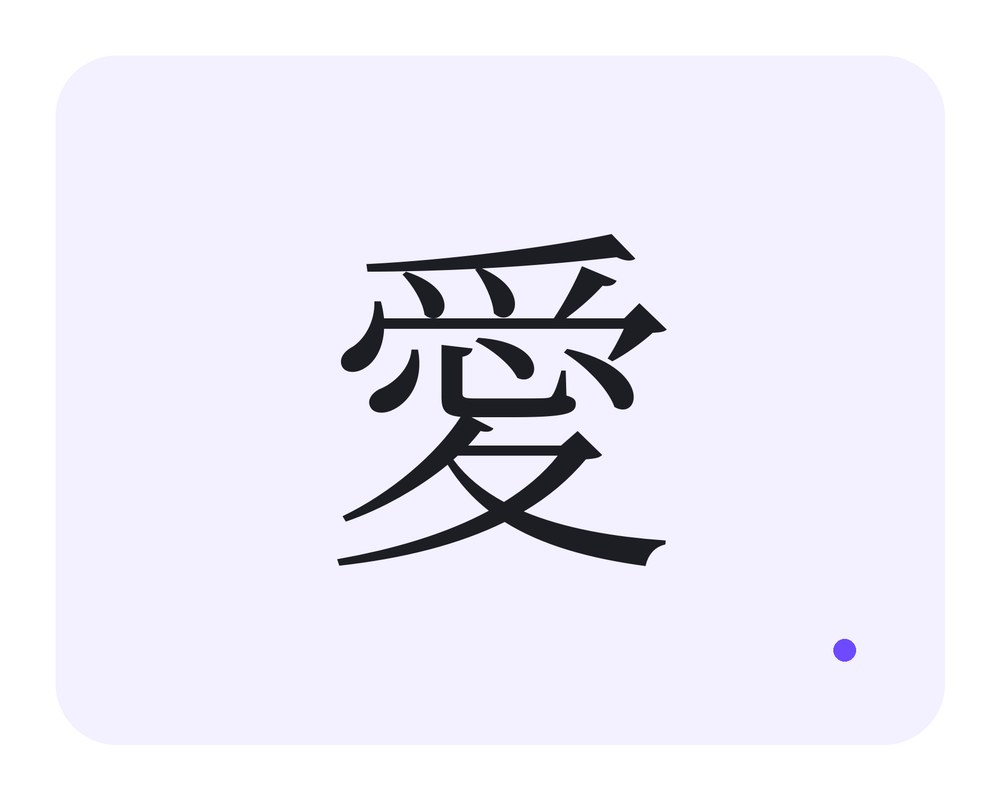 Japanese Symbols and Their Meanings
Understand the difference between Japanese writing, religious signs and visual motifs, with careful translations and examples from art.
Original illustration · Symbolism.co editors; original code-rendered illustration · CC0 · Source record · License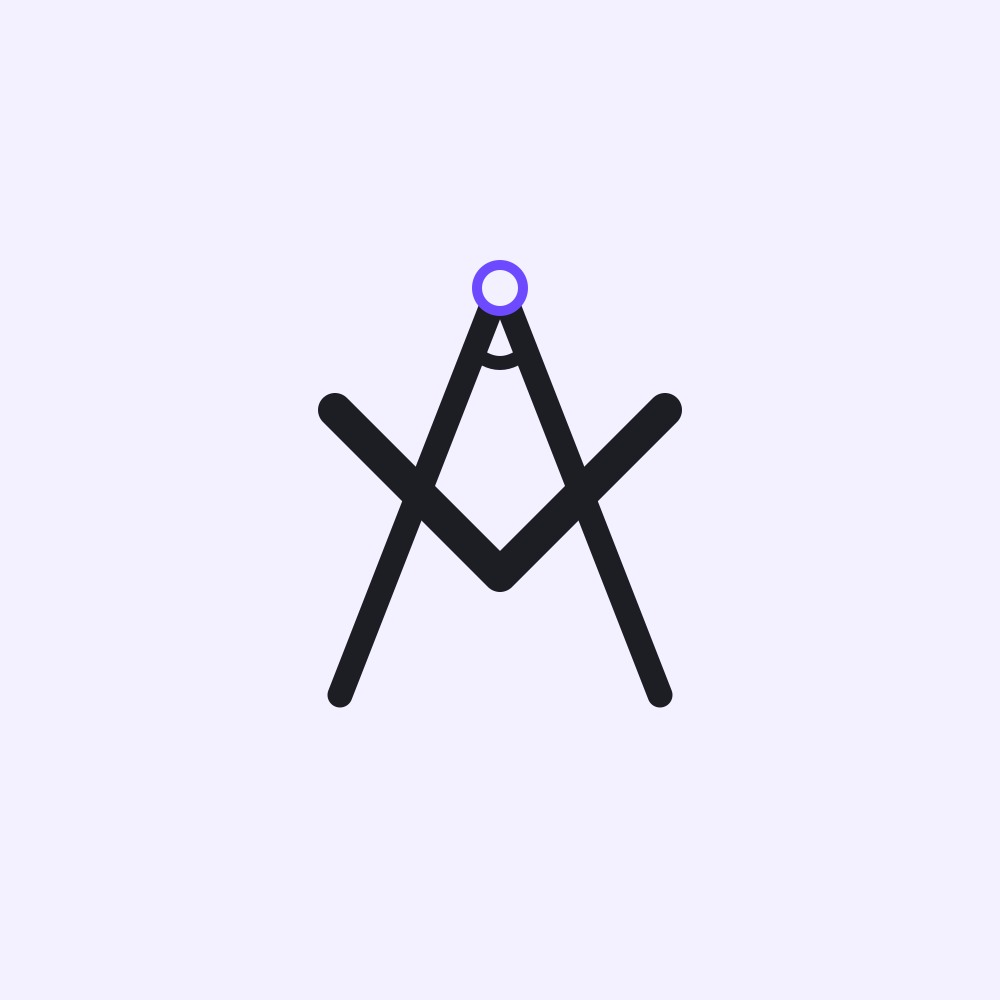 Masonic Symbols and Their Meanings
A source-led guide to Freemasonry's tools and emblems, with regional differences, museum evidence, and common myths kept separate.
Original illustration · Symbolism.co editors — original vector illustration · CC0-1.0 · Source record · LicenseA grounded guide to circles, triangles, spirals, and sacred diagrams: what their geometry proves, what history records, and where modern interpretations begin.
Recognize every zodiac glyph, understand its traditional image, and see how the signs appear on real artworks across cultures.
The ankh is the Egyptian hieroglyph for life. Its looped-cross shape appears in writing, divine imagery, personal amulets, and later Egyptian Christian art.
The two-snake staff identifies Hermes and Mercury. Its modern medical use is real, but it should not be mistaken for the ancient healing staff of Asclepius.
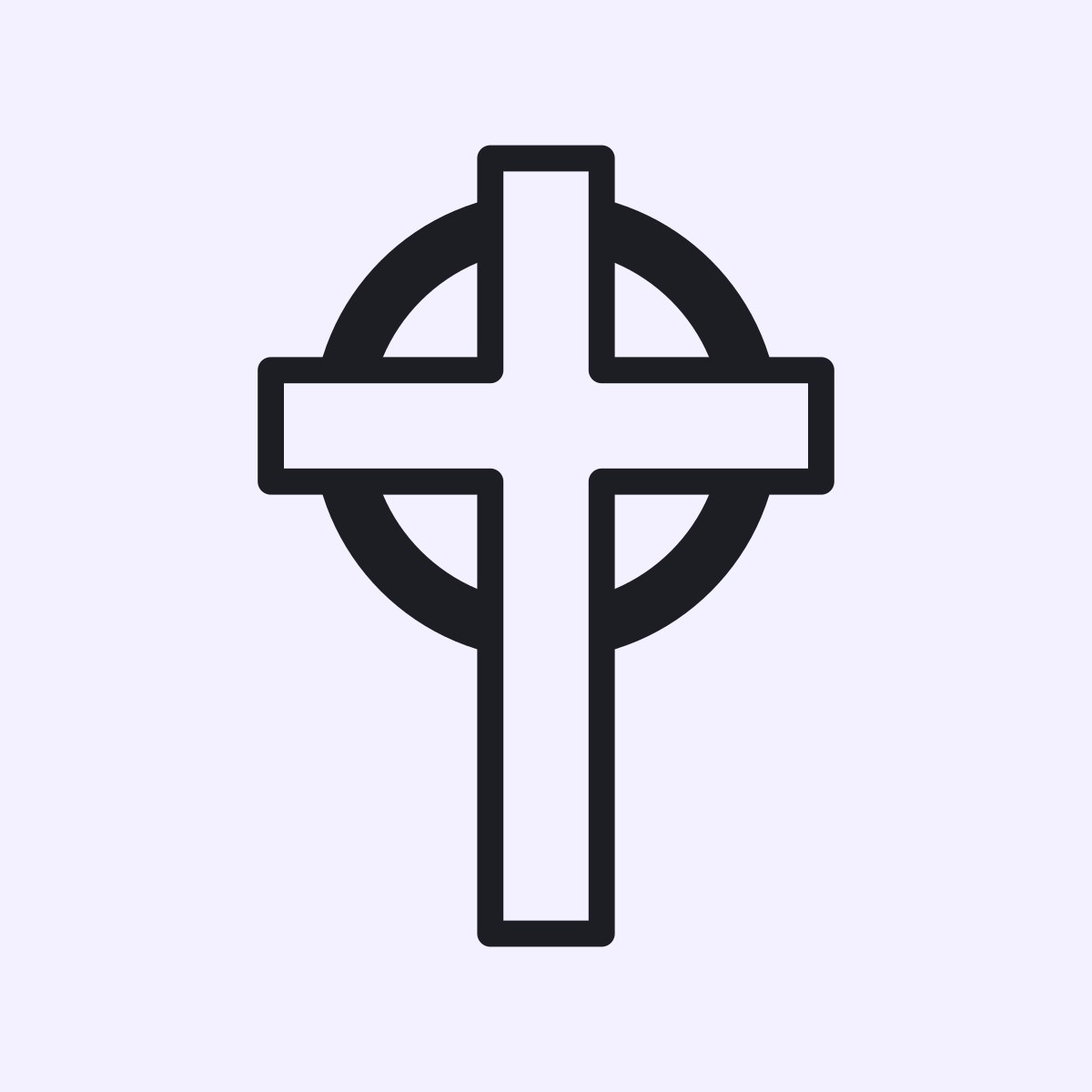 Celtic Cross Meaning, History, and Christian Symbolism
A ringed Christian cross with a rich life in Irish and Scottish art. Its medieval carvings tell us more than the familiar legends about its circle.
Original illustration · Original geometric diagram by Symbolism.co editors · Original illustration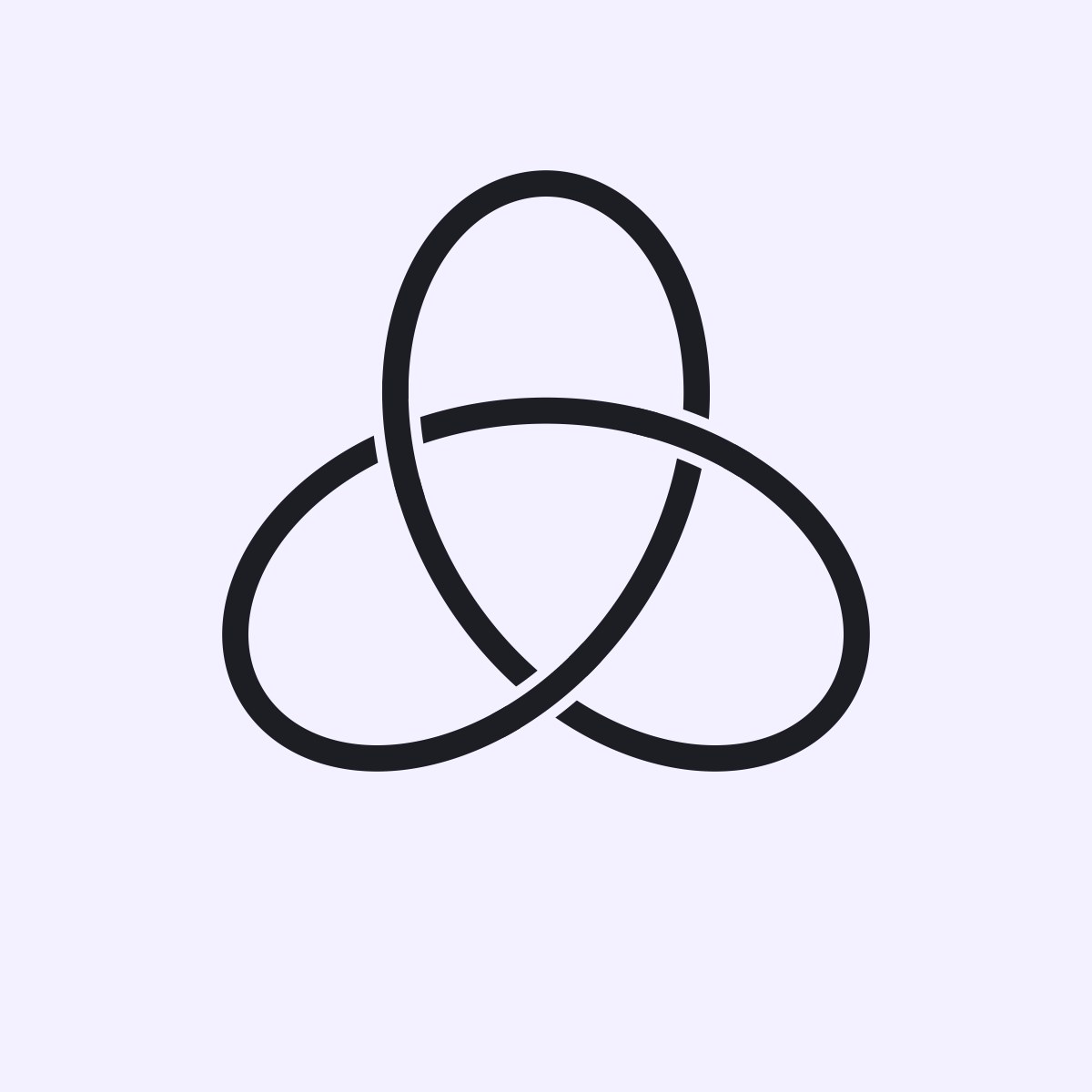 Celtic Knot Meaning and the History of Interlace
Celtic knotwork is a family of interlaced designs, not a single ancient code. Its history joins early medieval Christian art with powerful modern meanings.
Original illustration · Original geometric diagram by Symbolism.co editors · Original illustration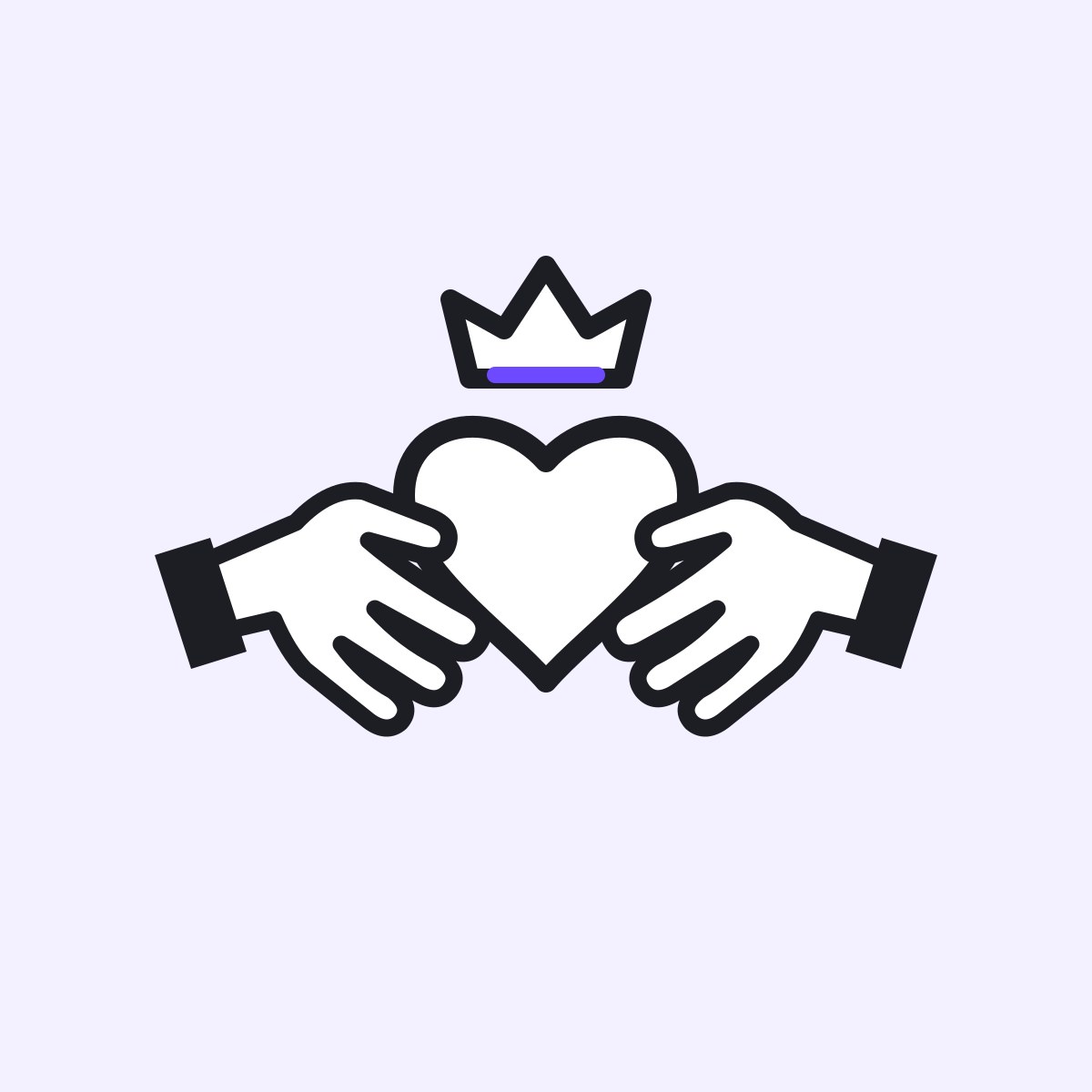 Claddagh Meaning: The Heart, Hands, and Crown
A crowned heart held by two hands makes the Claddagh one of Ireland's most recognizable love tokens. Surviving rings date to around 1700, not to an undefined ancient Celt
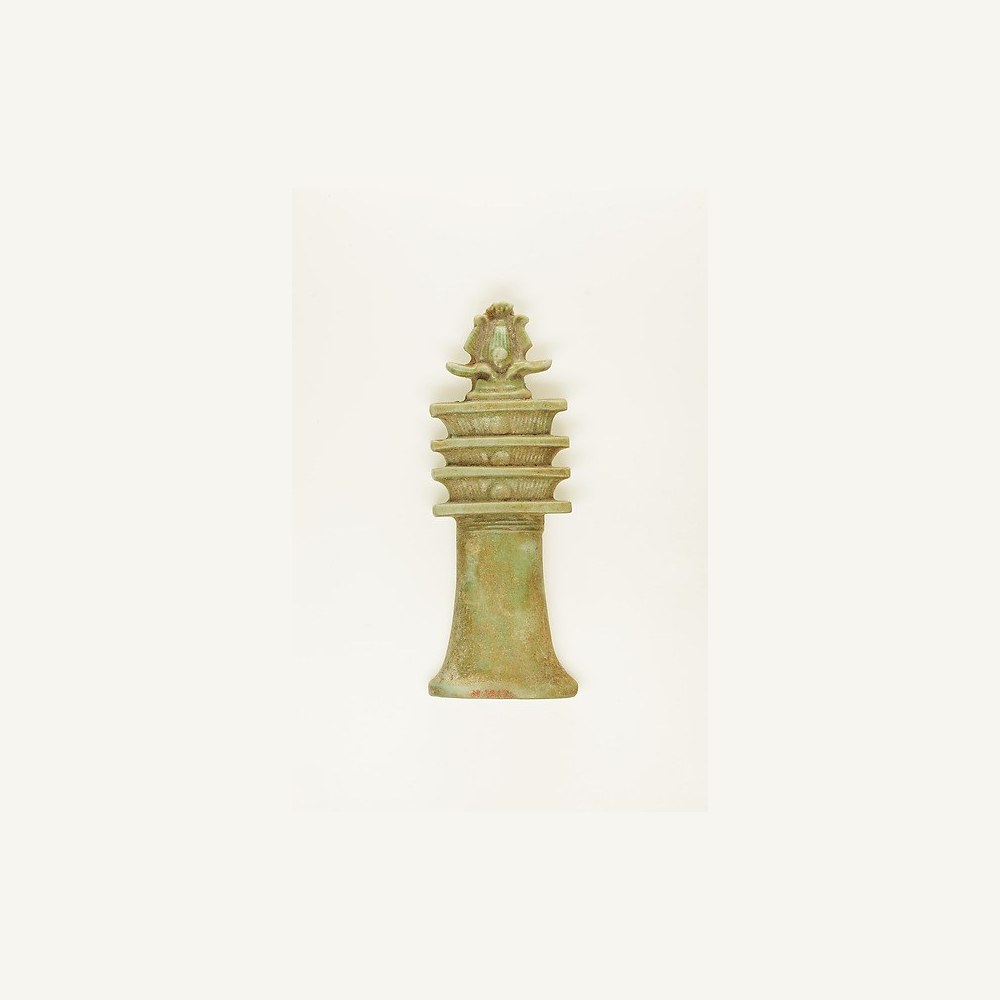 Djed Meaning in Ancient Egyptian Religion
The djed is an ancient Egyptian pillar-shaped sign associated with stability and permanence. Later it became closely connected with Osiris and his backbone.
The Metropolitan Museum of Art, Gift of Helen Miller Gould, 1910 · CC0 · Source record · LicenseThe evil eye is a belief about harm caused by an envious gaze. The familiar eye-shaped charm is traditionally intended to avert that harm, not to cause it.
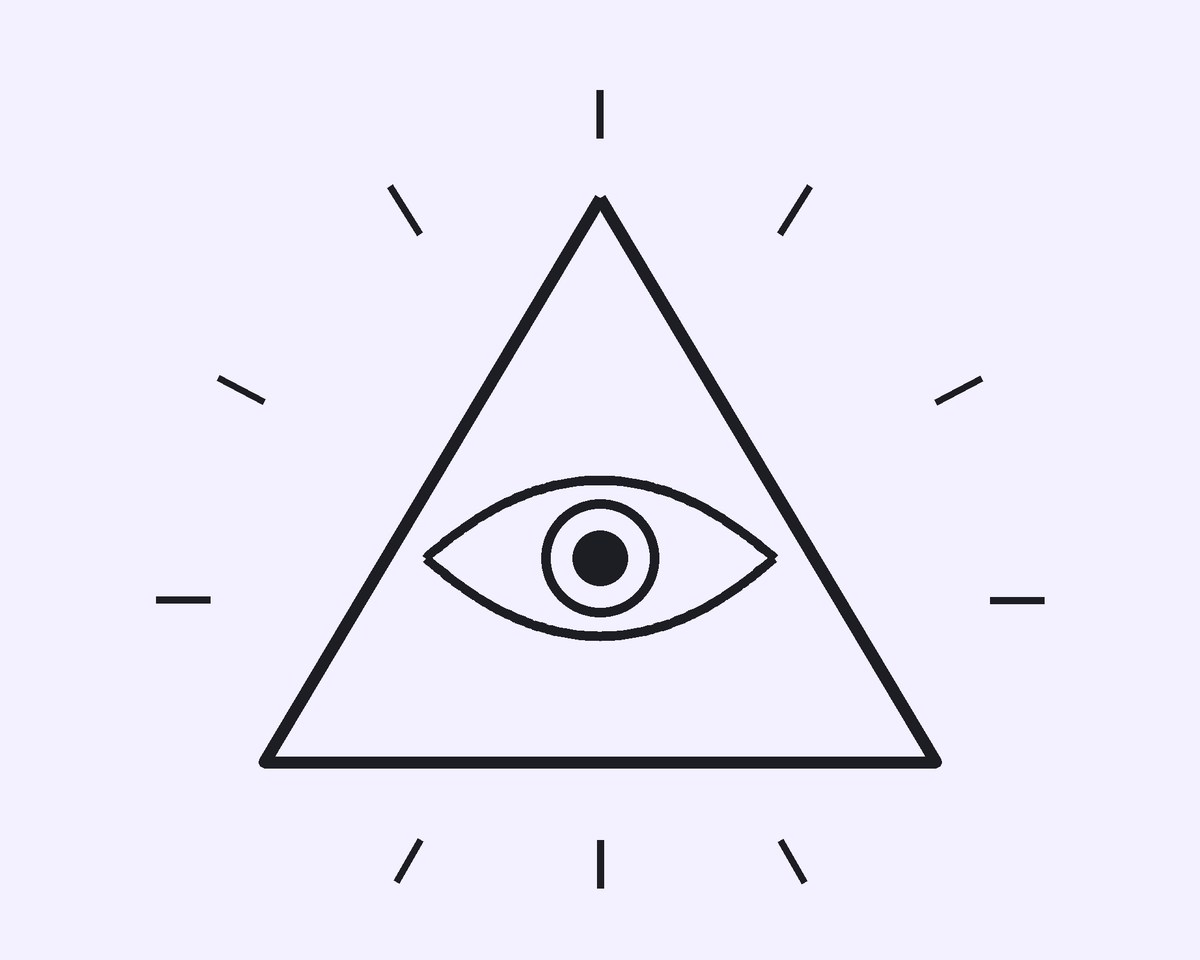 Eye of Providence Meaning and Documented History
The radiant all-seeing eye is best understood through its Christian, Masonic, and American civic settings.
The fleur-de-lis is a stylized flower best known as an emblem of French royalty. Its later uses include religious imagery, civic identity, and French-speaking heritage.
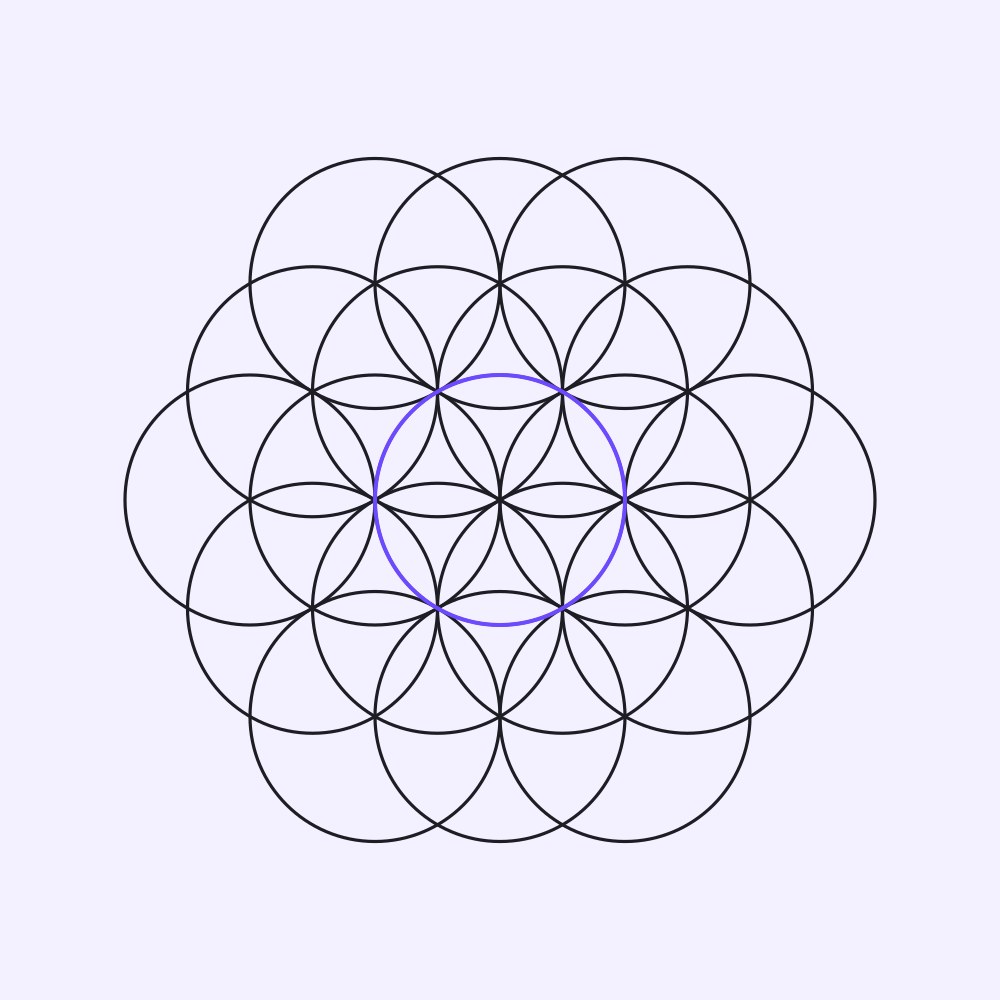 Flower of Life Meaning and the History of Its Geometry
A nineteen-circle pattern associated with connection and creation. Its historical geometry and modern spiritual interpretations need separate explanations.
The hamsa is a protective hand associated with Jewish and Muslim communities, especially in North Africa and the Middle East. Its details tell more than a universal up-or
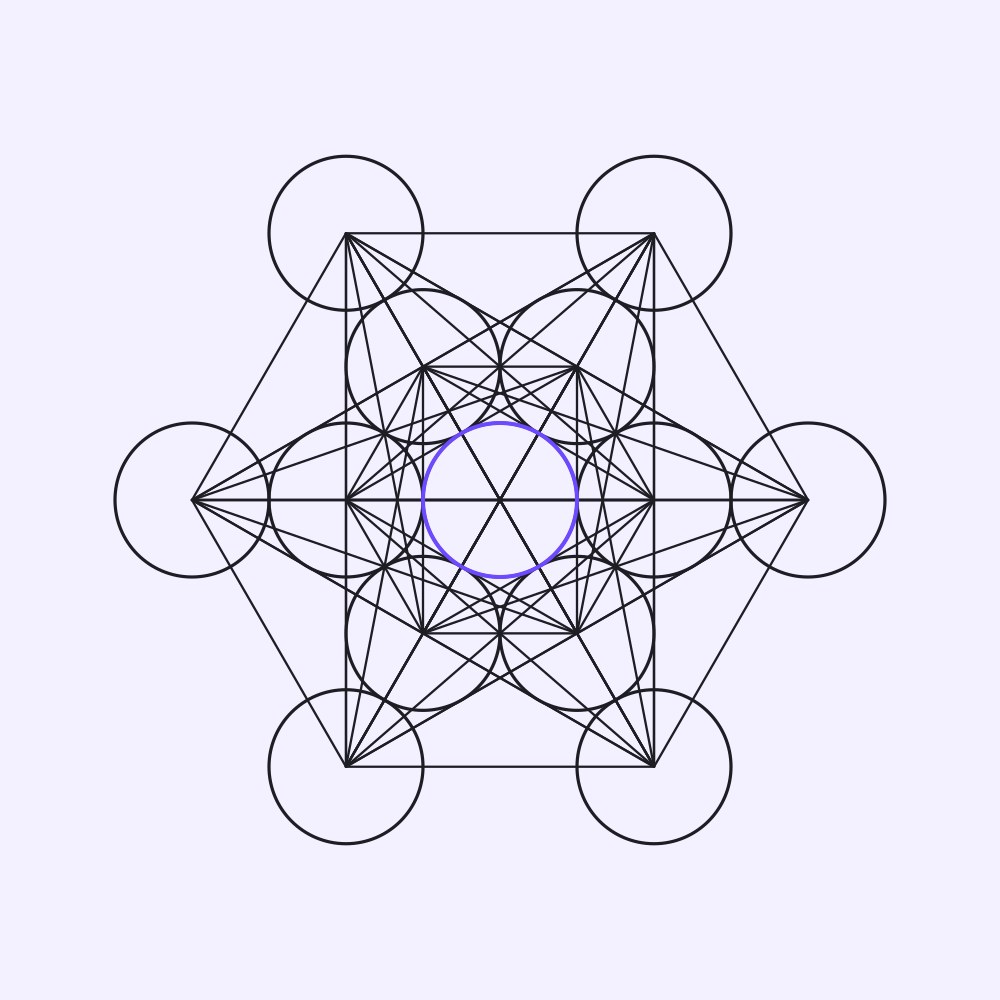 Metatron's Cube Meaning, Geometry, and Modern History
A thirteen-point geometric network used to represent connection and order. Its modern symbolism is distinct from the Jewish literary history of Metatron.
 Mjolnir Meaning and the History of Thor's Hammer
Mjölnir is Thor's hammer in Norse tradition: a weapon of defense and an object used in acts of hallowing. Viking Age pendants give the symbol an archaeological history be
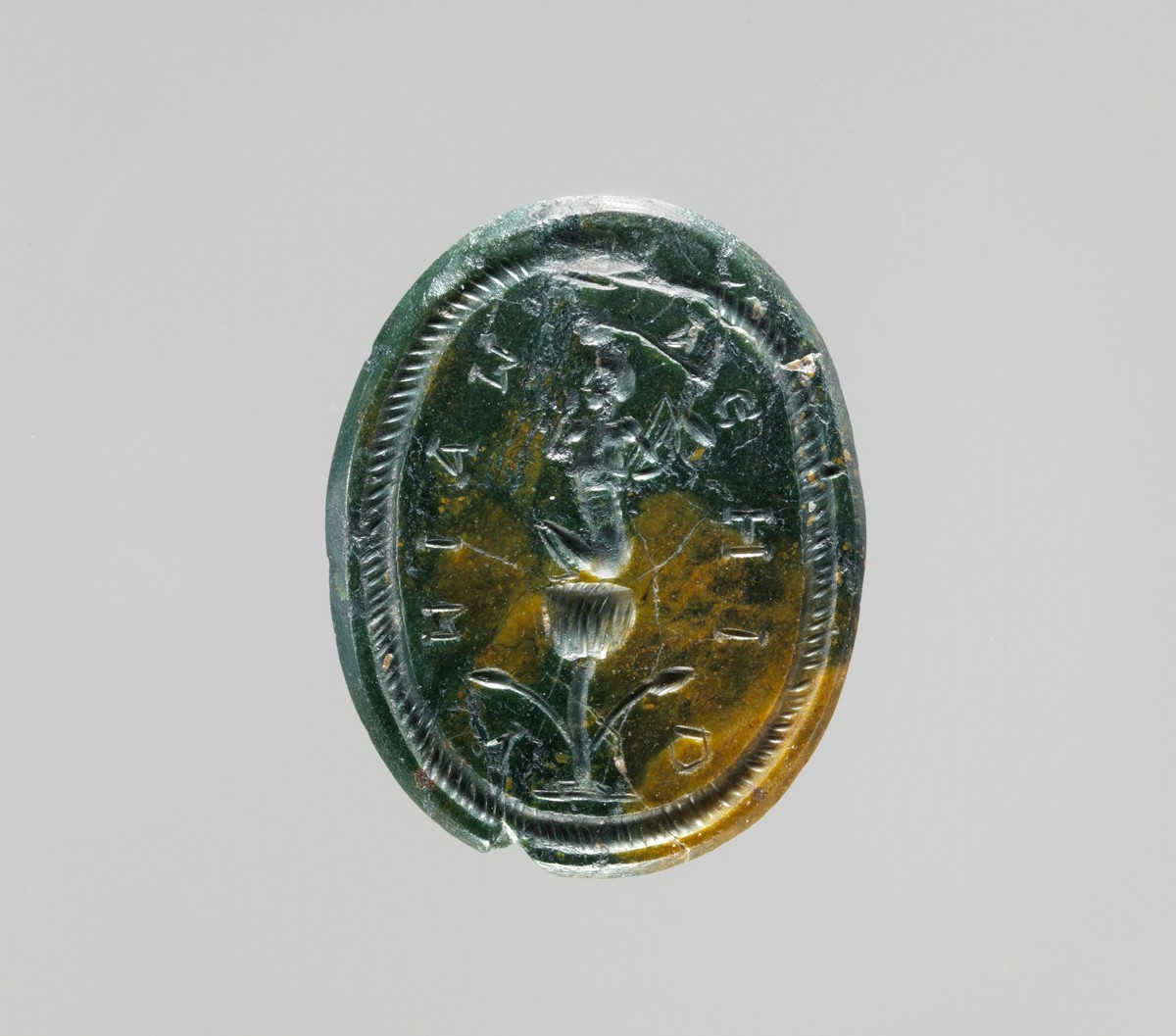 Ouroboros Meaning and the Serpent That Bites Its Tail
A serpent closes a circle by taking its own tail into its mouth. The ouroboros can express recurrence, eternity, or the unity of things, depending on its setting.
The Metropolitan Museum of Art; Bequest of W. Gedney Beatty, 1941 · CC0 · Source record · LicenseA modern sign with a documented beginning: nuclear disarmament, semaphore, and Gerald Holtom’s 1958 design.
The pentagram is a five-pointed star formed by connected crossing lines. Its history includes geometry, protective uses, personal emblems, and modern religion.
The single-serpent staff of a Greek healing god became a widely recognized emblem of medicine.
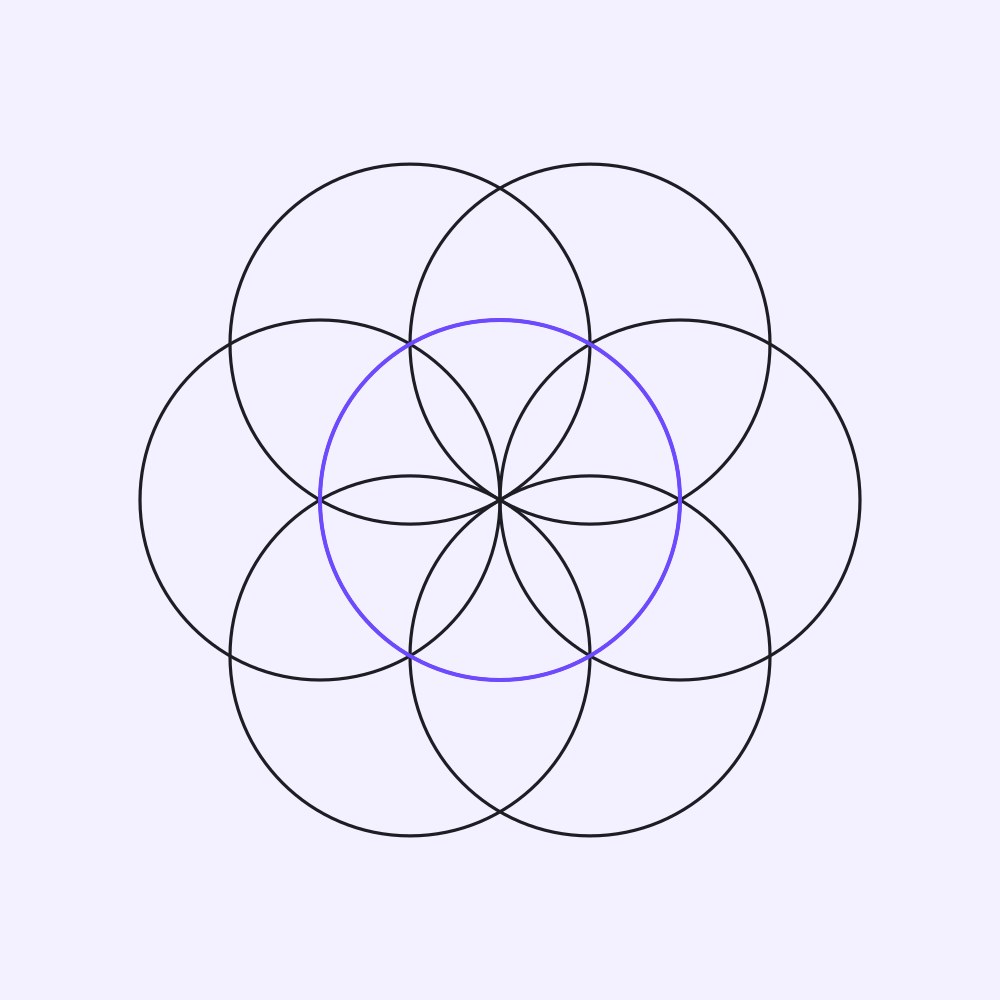 Seed of Life Meaning and Its Seven-Circle Geometry
Seven overlapping circles suggest beginnings and growth in modern sacred geometry. The pattern's history is older than its present-day name.
Ireland’s three-leaflet emblem connects Saint Patrick, Christian tradition, and Irish identity. The four-leaf clover is a different symbol.
A torii marks the threshold of sacred space. Shrine sources and dated Japanese prints explain its meaning more reliably than a single origin legend.
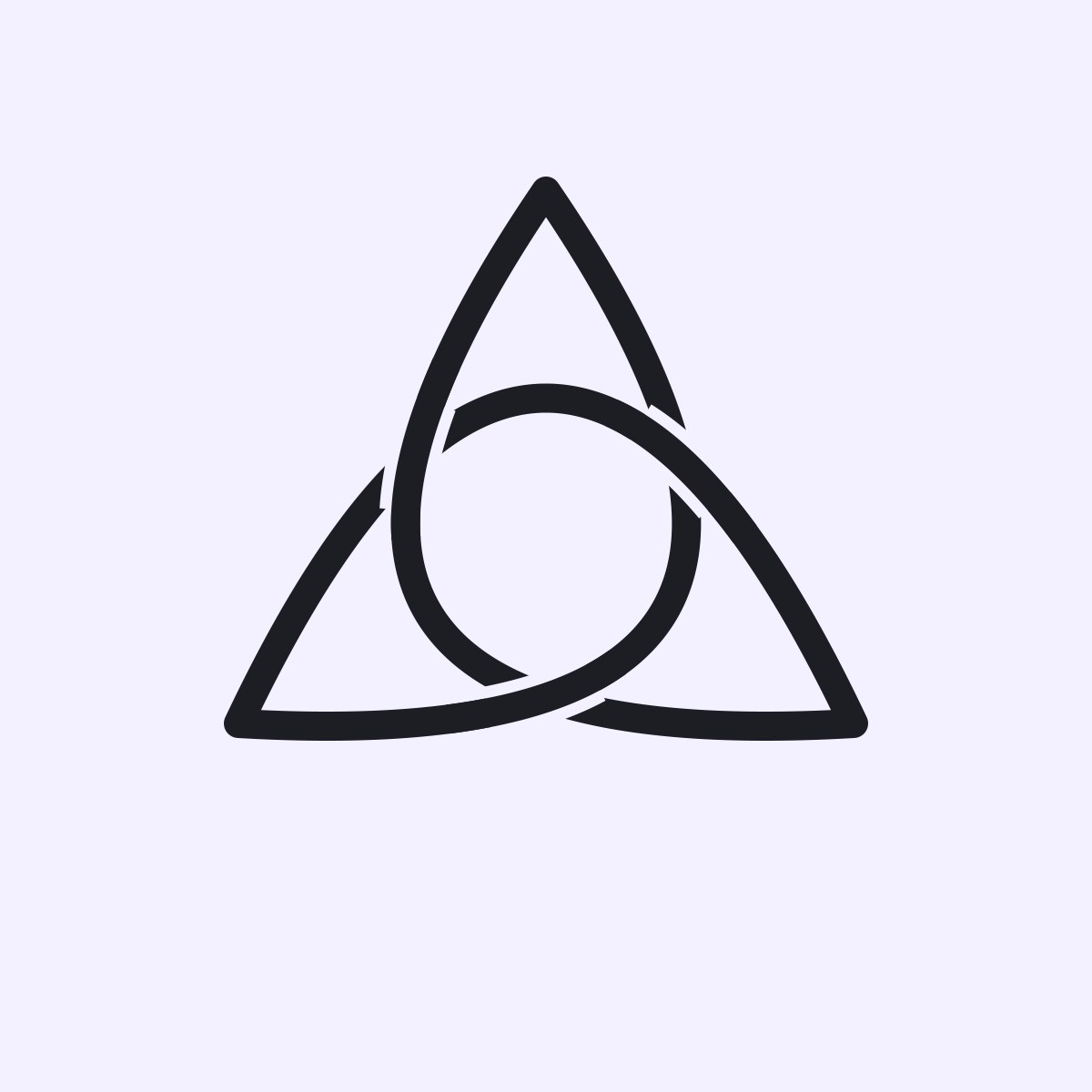 Triquetra Meaning and the History of the Trinity Knot
The triquetra is a three-cornered interlace design, often called the Trinity knot. Its Christian and personal meanings are real, but a medieval pattern does not automatic
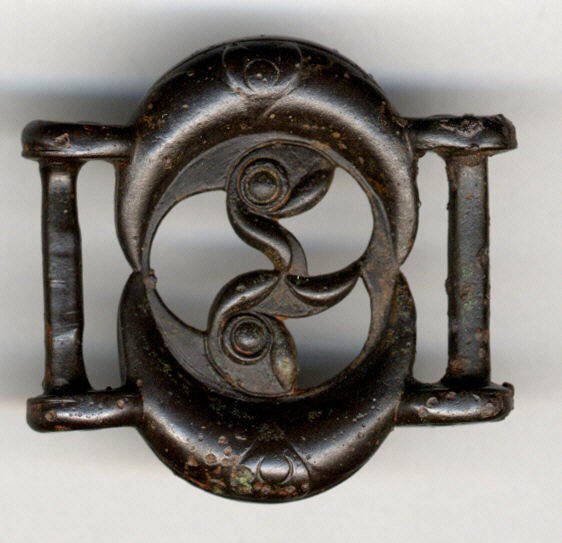 Triskelion Meaning, Triple Spirals, and Three Legs
Three spirals or three bent legs rotate around a center. Similar outlines appear in different cultures, but their meanings must be read in context.
The Metropolitan Museum of Art. Gift of Miriam N. Rosen, 2002 · CC0 · Source record · License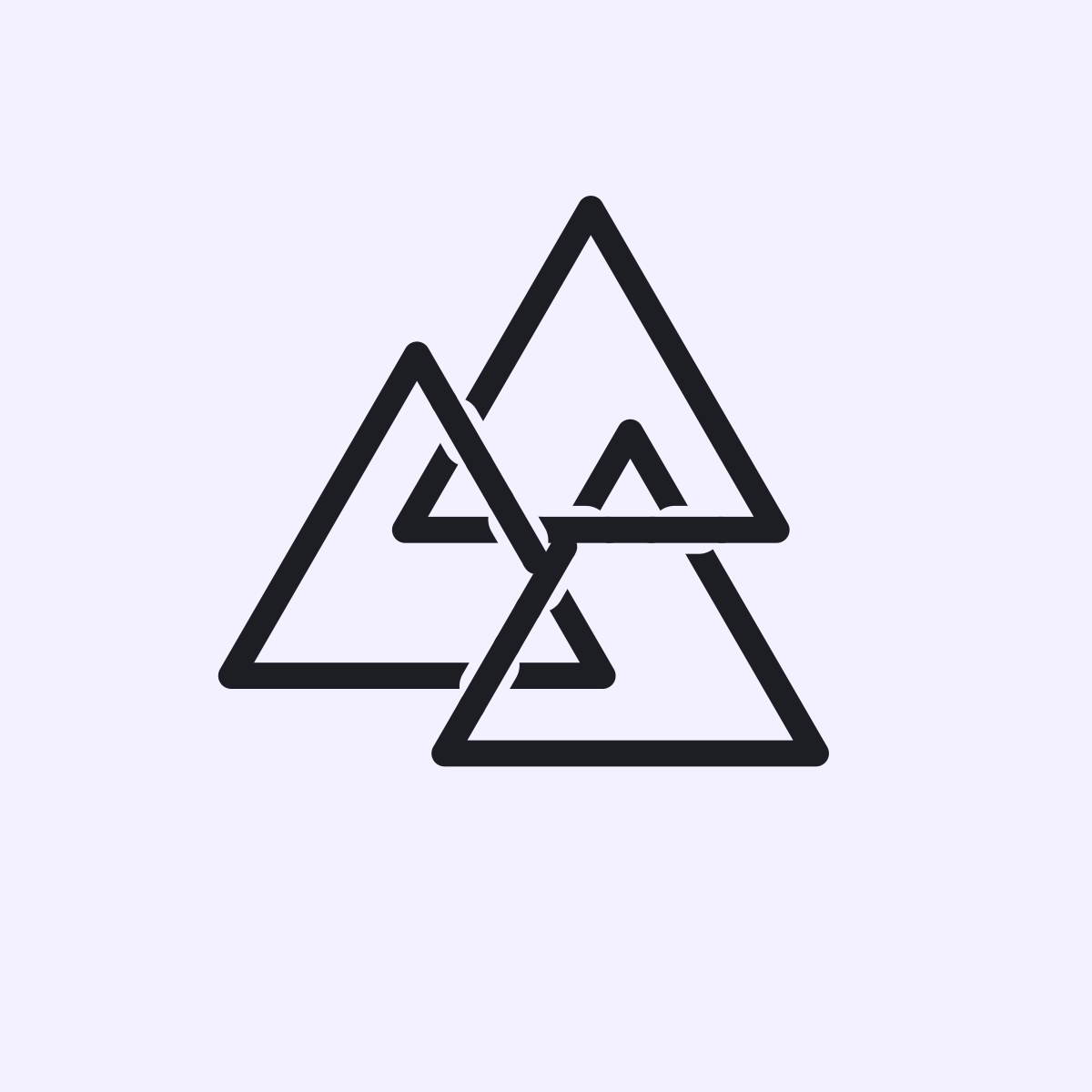 Valknut Meaning, Viking Evidence, and Modern Uses
Three interwoven triangles survive in early medieval imagery, but their original name and exact meaning are unknown. Evidence matters more than a confident legend.
Original illustration · Original geometric diagram by Symbolism.co editors · Original illustration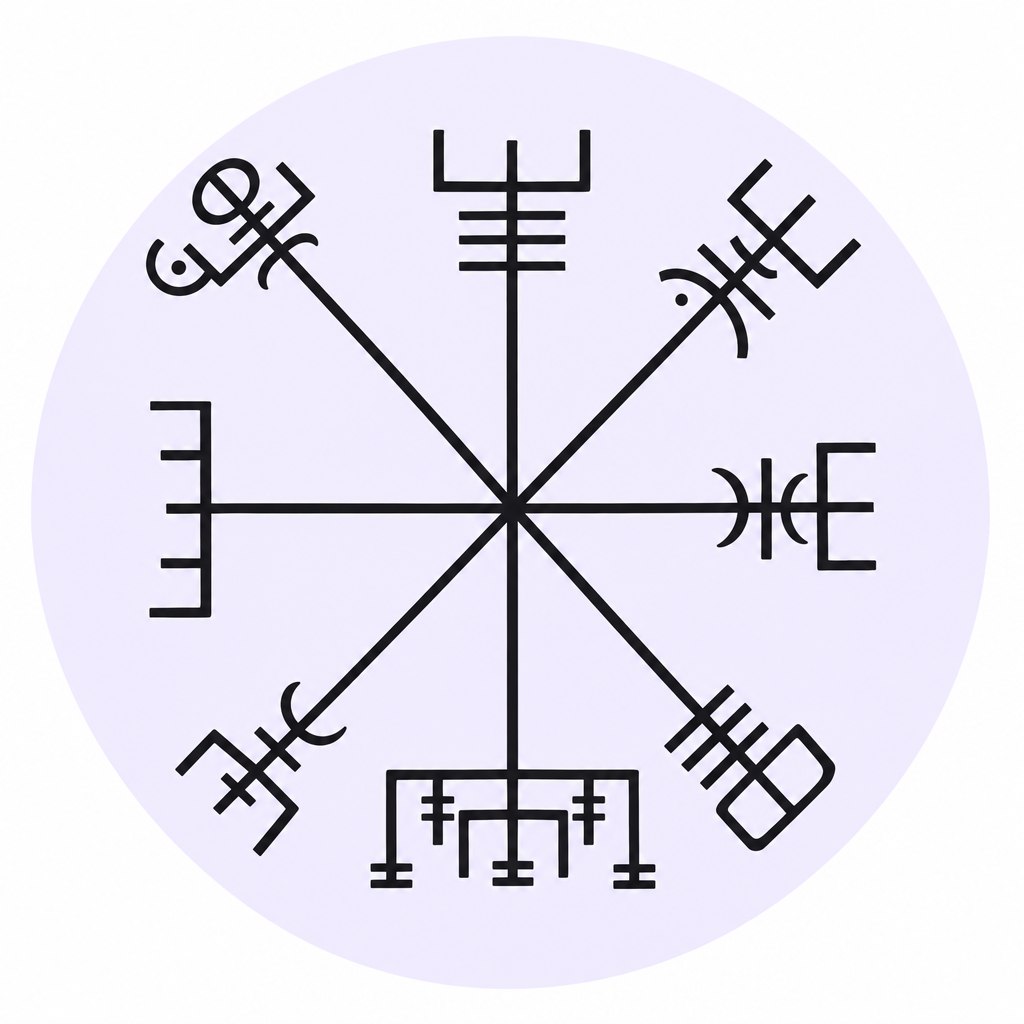 Vegvisir Meaning: Icelandic Stave, Not Viking Compass
Vegvísir is an Icelandic magical sign associated with finding one’s way. The documented manuscript tradition is much later than the Viking Age.
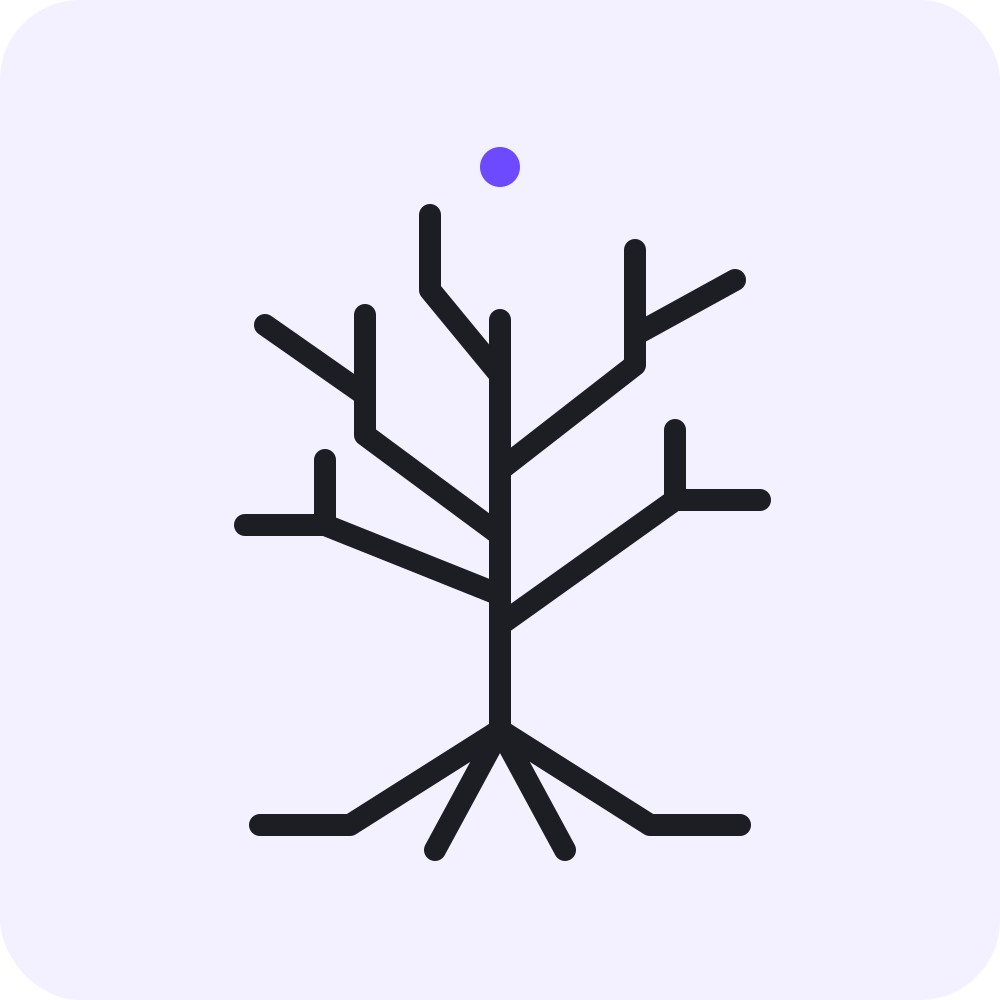 Yggdrasil Meaning and the Norse World Tree
The Norse world tree connects the cosmos, but its stories are also about damage, fate, and the care that sustains life.
The yin yang symbol pictures contrast within a changing whole. Its history crosses Chinese philosophy, religious traditions, and the art of cosmological diagrams.