Learn
Symbols of Love Across Cultures and History
Hearts, roses, rings, and joined hands express different kinds of attachment. Their histories show why romance, friendship, fidelity, and religious love should not be treated as interchangeable.

A widely recognized sign of love or affection; its precise meaning depends on the relationship and setting.
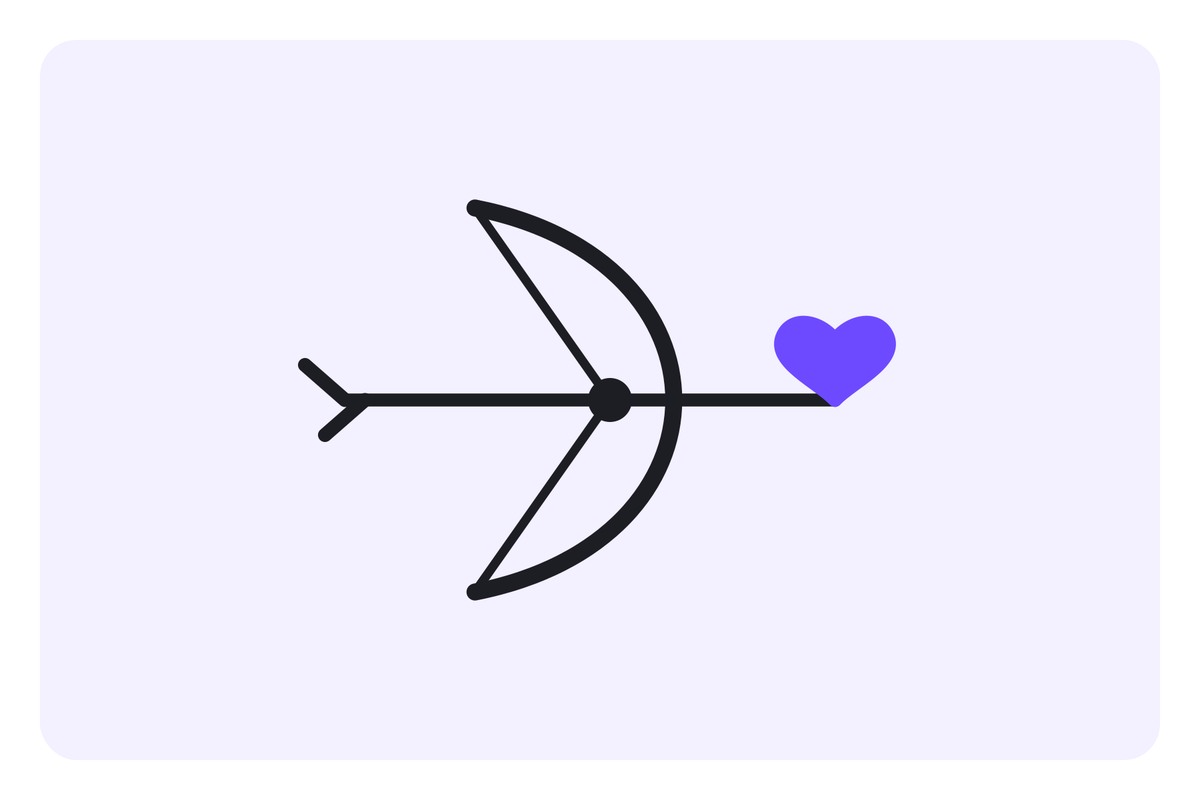 Cupid
A classical love god whose arrows and torch can represent the power of desire.
Original illustration · Symbolism.co editors — original code-rendered vector illustration · CC0 · Source record · License Claddagh
A heart, hands, and crown associated with love, friendship, and loyalty.
Original illustration · Symbolism.co editors — original vector illustration · CC0-1.0 · Source record · License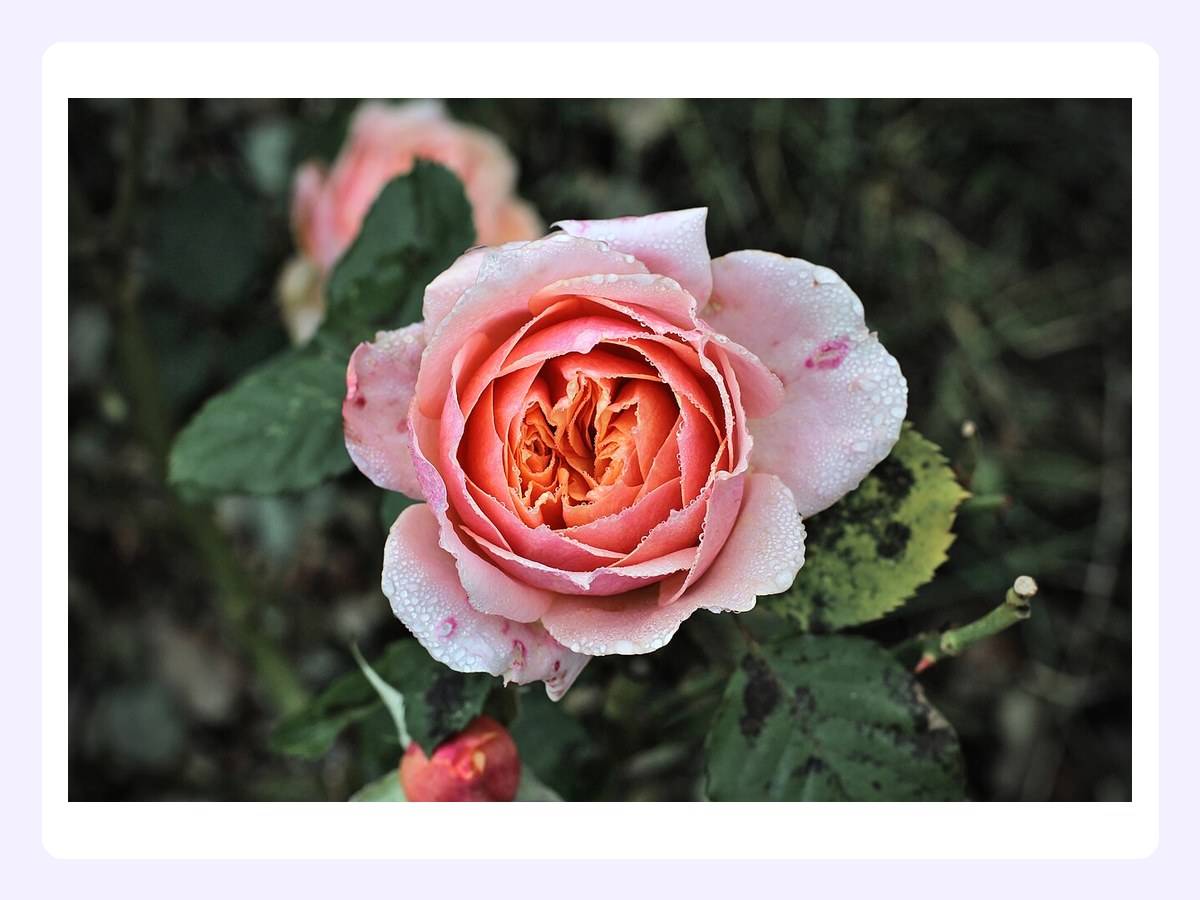 Rose
A flower with a documented role in European love imagery, among many other uses.
M0tty · CC BY-SA 4.0 · Source record · License
A mathematical sign adapted in modern designs to suggest enduring affection.
A symbol of hope in Christian tradition that may be adapted personally to express steadiness.
Symbols of love include the heart, rose, Cupid, wedding ring, and joined hands. They can express romantic desire, friendship, loyalty, commitment, or religious devotion, depending on the object and setting. No single sign means exactly the same thing to every person or culture.
The clearest way to understand a love symbol is to ask who used it, when, and for what purpose. A heart on a greeting card, a ring exchanged at a wedding, and a sacred image of a heart all concern love, but they are not making the same statement. Historical objects help keep those distinctions visible.
Common love symbols and what they can mean
| Symbol | Documented association | Important distinction |
|---|---|---|
| Heart | Affection, love, and devotion | A secular valentine and a religious heart image have different contexts. |
| Rose | Love in European poetry, art, and valentines | Detailed color codes vary by source and occasion. |
| Cupid with bow or torch | The power of desire in classical mythology and later European art | Love can appear disruptive or painful, not only gentle. |
| Ring | Betrothal, marriage, or a personal pledge | The type of ring and the ceremony establish its meaning. |
| Joined hands | Faith, agreement, friendship, and union | Not every clasped-hand image represents romantic love. |
| Claddagh | Love, friendship, and loyalty | Its documented history is later than the label “ancient Celtic” suggests. |
The heart: a recognizable sign with several contexts
The stylized heart is a compact way to say affection. It can stand alone, appear beside a name, or substitute for the word “love.” Its usefulness comes partly from that flexibility: a heart can concern a partner, a child, a friend, a city, or something someone enjoys.
But a familiar outline does not guarantee a single origin story. Popular explanations confidently connect the shape with leaves, a seedpod, or particular parts of the body. Similarity alone cannot establish a historical chain of borrowing. Without documentary evidence, it is better to leave the precise origin unresolved than choose the most appealing story.
Details around the heart narrow its meaning. An arrow may make love look like a wound. Flames can intensify passion or devotion. A religious Sacred Heart belongs to Christian imagery and should not be reduced to a generic romantic logo. The setting is as important as the shape.
Roses and the language of flowers
The rose has a well-documented place in European love imagery. The Metropolitan Museum of Art's discussion of historical valentines describes roses, forget-me-nots, pansies, wedding rings, and Cupid working together to communicate affection. A card's arrangement could change the message: a flower, an inscription, and a concealed image might each contribute something.
That is more precise than saying every rose has always meant romance. A rose can also belong to a garden portrait, a religious composition, a political emblem, or a memorial. Even in a bouquet, the relationship between giver and recipient matters. A flower given in sympathy is not automatically a declaration of romantic interest.
Modern color lists can be useful descriptions of current florist conventions, but they should not be mistaken for one historical language understood everywhere. Different publications assign different shades different messages. For a closer look at that distinction, see rose symbolism and the broader guide to flower symbolism.
Cupid, Eros, and the power of desire
In classical mythology, Eros is Greek and Cupid, or Amor, is Roman. Their histories are not identical in every period, but later European art often draws on the figure of a winged love god with arrows or a torch. The Met's account of mythological prints shows how these attributes represent a force able to overcome gods as well as humans.
This is not simply a picture of pleasant affection. Cupid's arrow can make desire sudden, unequal, embarrassing, or destructive. Renaissance and Baroque artists used his encounters with other figures to explore love's power. In images of Cupid overcoming Pan, visual wordplay can turn the scene into “love conquers all.”
A winged figure on a valentine may borrow from this tradition while softening its meaning. Conversely, a winged child in religious art is not automatically Cupid. Look for attributes, the title of the work, and the surrounding narrative before naming the figure.
Rings, joined hands, and promises
A ring can signify commitment because it is exchanged, worn, inscribed, or inherited within a relationship. The circular form may invite comparisons with continuity, but the object becomes a specific pledge through its use. Not every circle is a wedding symbol, and not every ring is a marriage ring.
Fede rings, named from the Italian word for faith, feature joined hands. These objects make a social action visible: two people clasping hands in agreement or union. They show why a symbol can express both affection and a promise. Depending on the object, friendship and fidelity may be as relevant as romance.
Jewelry also has material history. An inscription, maker's mark, date, or documented owner can tell us more than a generalized meaning attached to gold or a gemstone. When a museum identifies a piece as a betrothal ring, that catalog evidence is stronger than guessing from its shape alone.
The Claddagh: love, friendship, and loyalty
The Claddagh brings a heart, two hands, and a crown into one design. The National Museum of Ireland associates these with love, friendship, and loyalty. Its account places the earliest examples of the style around 1700 and notes the design's frequent attribution to Galway goldsmith Richard Joyce.
That date matters. Although the Claddagh is widely associated with Irish identity, it should not be presented as a surviving prehistoric Celtic sign. It belongs in a history of Irish jewelry and related European ring forms. The Claddagh guide examines the design more closely.
The museum also records traditions about wearing the ring with the heart facing inward or outward, while noting that the origins of those customs are uncertain. Contemporary wearers may follow them, adapt them, or ignore them. A ring's orientation is not a reliable substitute for asking someone about their relationship.
Symbols of love in different cultures
Comparing love symbols across cultures works best when the examples stay specific. A Galway ring and an Italian Renaissance marriage gift can both concern commitment without belonging to the same tradition. “Love” itself is a broad English category that can cover desire, kinship, devotion, hospitality, and friendship.
The Met documents belts, ceramics, and other gifts exchanged in Italian Renaissance courtship. Some combine inscriptions with images of wounded hearts or binding love. These objects reveal a shared vocabulary among their users, not a timeless code used by all Europeans.
Written words are another important distinction. Chinese 愛 and Japanese 愛 are characters used in writing, not interchangeable decorative pictures. Their pronunciation and use depend on language and context. The guides to Chinese symbols and Japanese symbols distinguish characters, complete words, and visual emblems.
Take equal care with religious and Indigenous material. A sacred design may concern obligations within a community rather than private romance. If a source does not identify the particular tradition and meaning, a label such as “universal tribal love symbol” is not a trustworthy explanation.
Love, loyalty, hope, and friendship are not synonyms
Searches for symbols of loyalty and love often produce anchors, knots, infinity signs, and paired animals. Some are established in particular settings; others are personal choices or modern jewelry conventions. Those categories can coexist, but they should be labeled honestly.
The anchor, for example, has a specific association with hope in Christian tradition, supported by the image of an anchor in Hebrews 6:19. A couple may choose one to represent steadiness in their relationship, but that personal adaptation is not proof that every historical anchor meant romantic fidelity. See the anchor entry for its wider uses.
Likewise, the infinity sign is first a mathematical symbol. Using it for lasting affection is an adaptation. A personal meaning can be sincere and useful without being ancient. Explaining that difference makes a symbol more interesting, not less meaningful.
How to choose or interpret a love symbol
Start with the kind of relationship being expressed. Is the subject a marriage promise, an enduring friendship, a family bond, or attraction? Next, look at the audience. A symbol that seems obvious to its giver may carry a different association for its recipient.
For historical interpretation, check the object's date, place, inscription, and museum description. For a contemporary gift or design, a short explanation can do more than adding another layer of symbols. “This reminds me of our first garden” is clear even when the flower has no conventional romantic meaning.
Finally, allow symbols to be layered rather than universal. A ring may recall a person, a ceremony, and a place at once. A heart can communicate affection without defining its whole nature. The broader learning guides explore how objects gather meaning through use, memory, and context.
Frequently asked questions
What symbol means love?
The stylized heart is a widely recognized contemporary sign of love and affection. Roses, rings, Cupid, and joined hands can also express love, with different meanings in different settings.
What symbolizes love and loyalty together?
The Claddagh design is a documented example: the heart, hands, and crown are associated with love, friendship, and loyalty. A particular ring may also carry family or personal meaning.
Is there one universal symbol of love?
No symbol can be assumed to mean exactly the same thing to everyone. Even a familiar heart can refer to romance, friendship, family affection, enthusiasm, or religious devotion.
Is the Claddagh an ancient Celtic symbol?
The National Museum of Ireland dates the earliest rings of this style to around 1700. It is an important Irish jewelry design, but describing it as prehistoric is misleading.
Does an infinity symbol mean love?
It can mean enduring affection in a modern gift or personal design. Its mathematical meaning and history are distinct from that romantic use.
Sources & further reading
- National Museum of Ireland: Claddagh Rings
- Galway City Museum: Claddagh Ring, c. 1700
- The Met: Courtship and Betrothal in the Italian Renaissance
- The Met: Lovers in Italian Mythological Prints
- The Met: A Rose by Any Other Name
- Victoria and Albert Museum: Fede ring, Italy, 15th century
- Hebrews 6:19, New Revised Standard Version Updated Edition