Nature
Flower Symbolism Across Colors, Cultures, and Time
Flowers can express love, innocence, grief, or renewal, but their meanings are not universal. Read the evidence behind familiar blooms and learn why the same flower can carry conflicting messages.
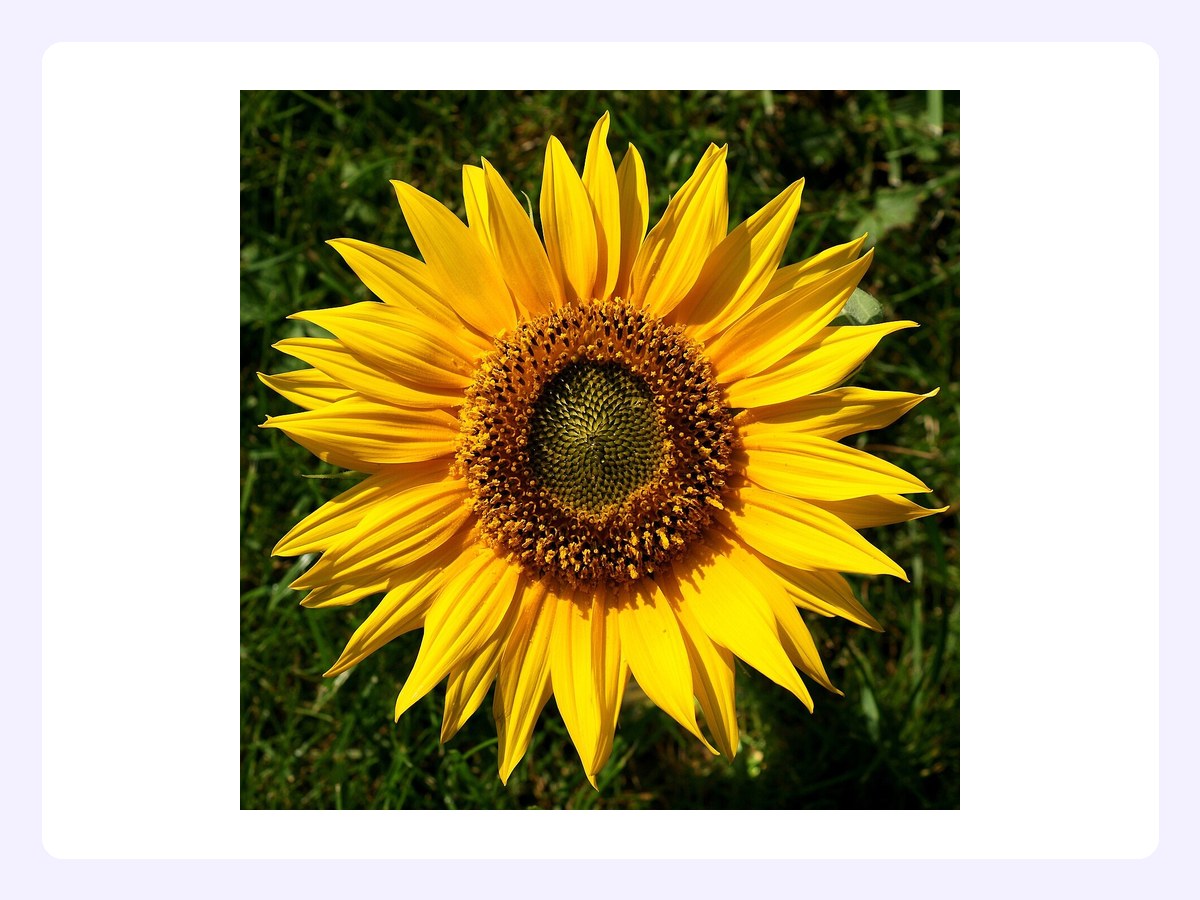

Love in familiar modern flower language; colors and historical settings change the message.
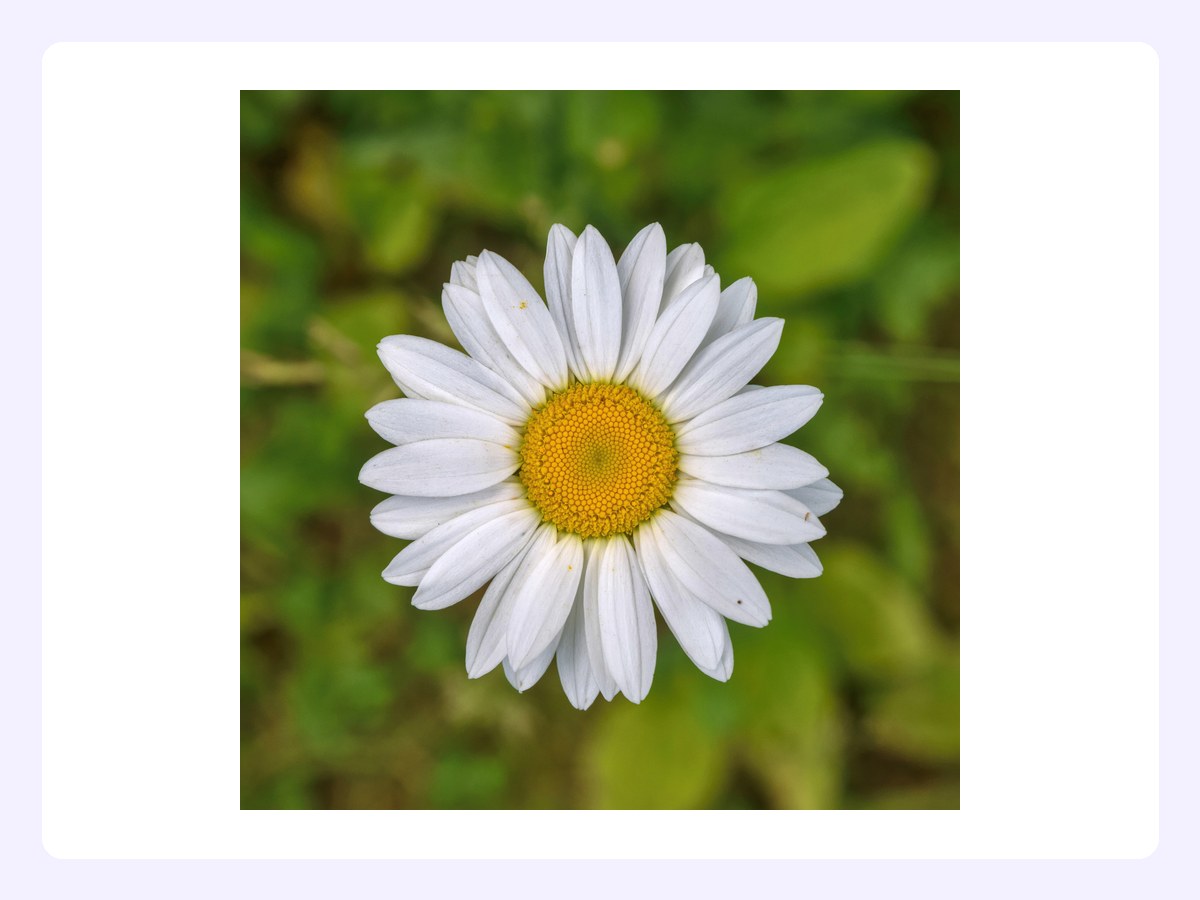 Daisy
Innocence in the RHS flower-language guide.
The Cosmonaut · CC BY-SA 2.5 ca · Source record · License
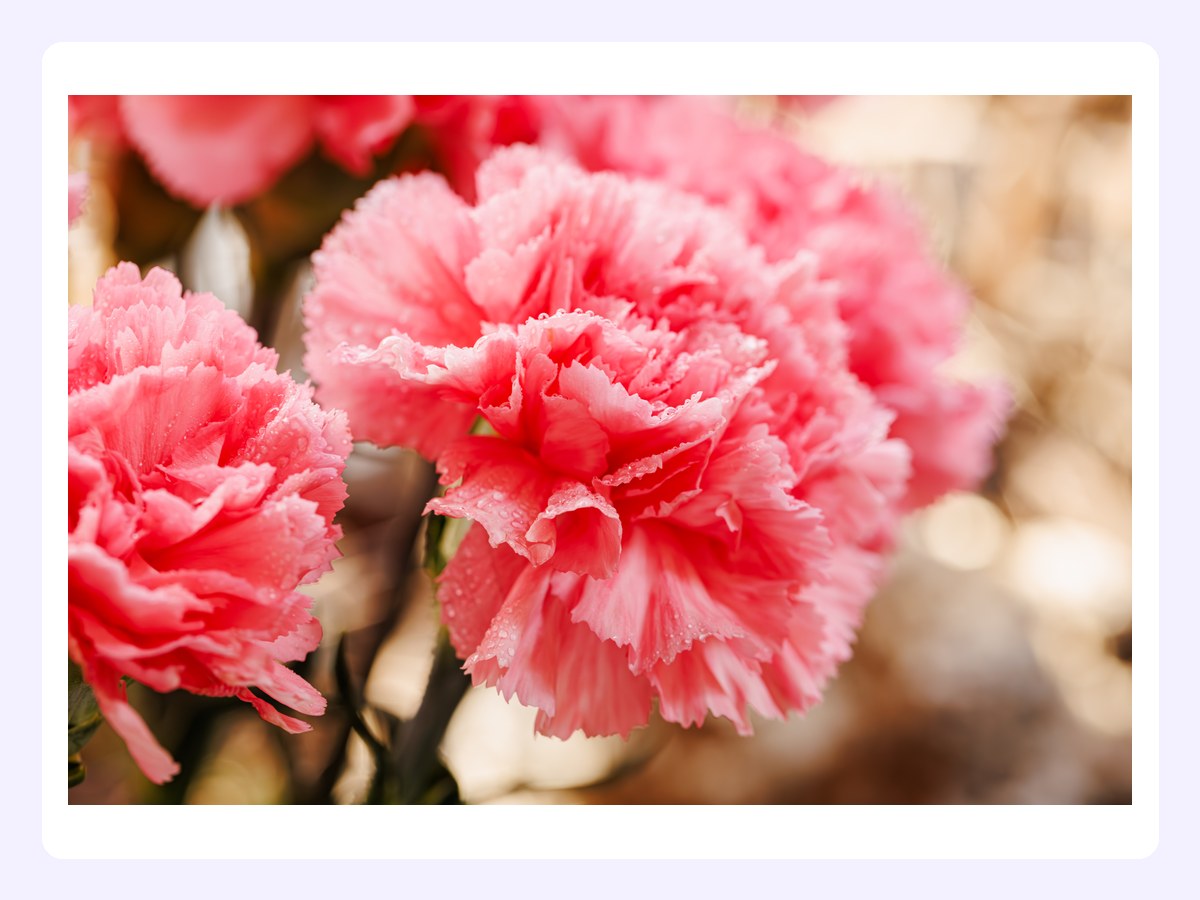 Carnation
Flower-language meanings vary by color and pattern, from love to refusal.
Dinkun Chen · CC BY-SA 4.0 · Source record · License
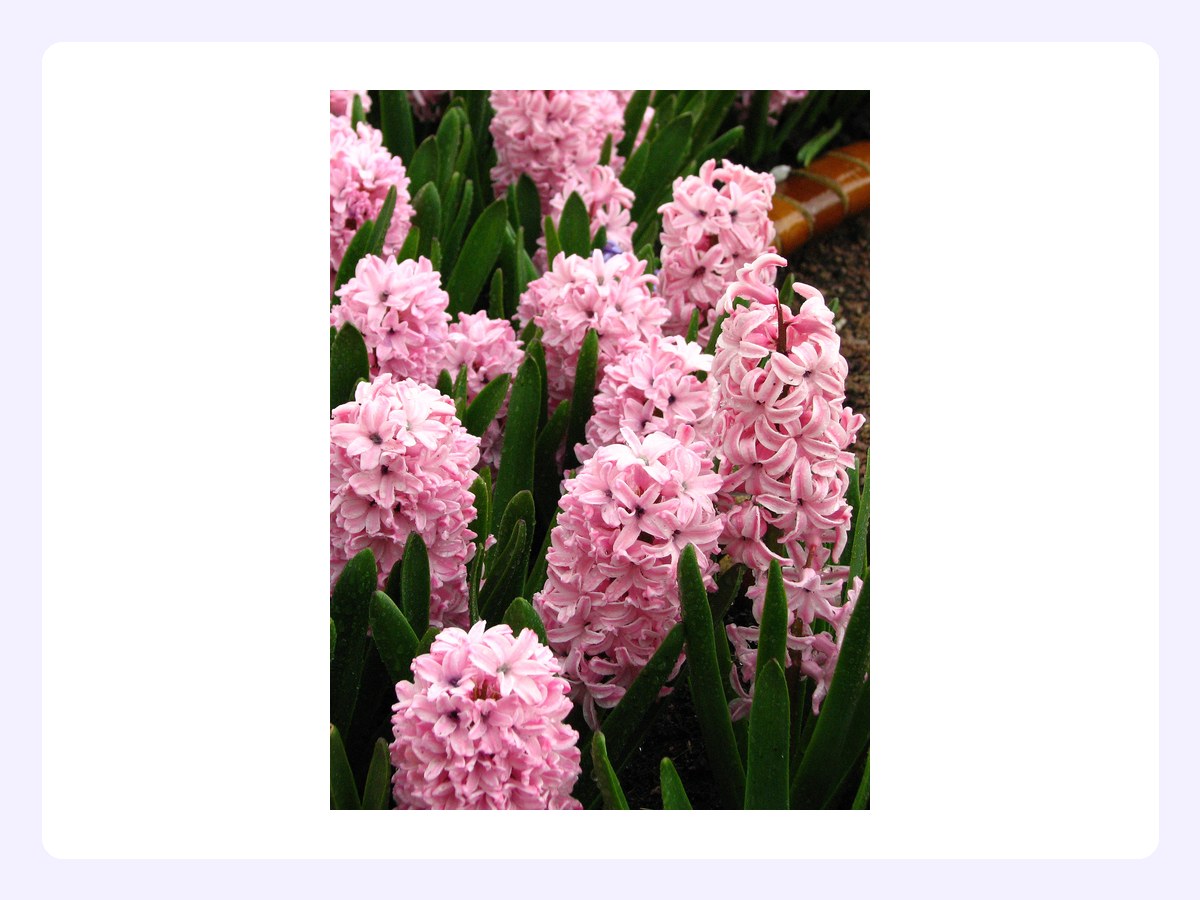 Hyacinth
Blue hyacinths can signify constancy in flower-language guides.
Kor!An (Корзун Андрей) · CC BY-SA 3.0 · Source record · License
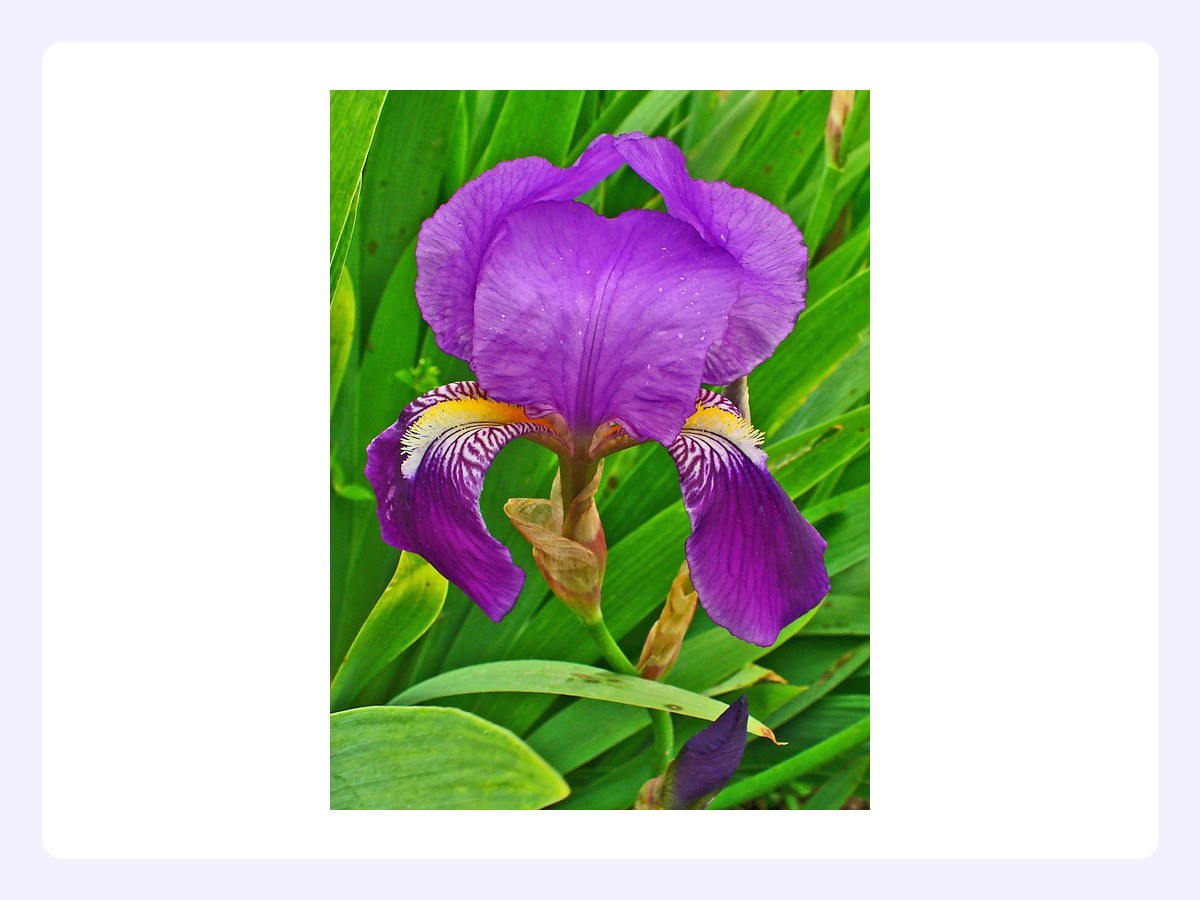 Iris
The RHS associates yellow iris specifically with the flame of love.
H. Zell · CC BY-SA 3.0 · Source record · License
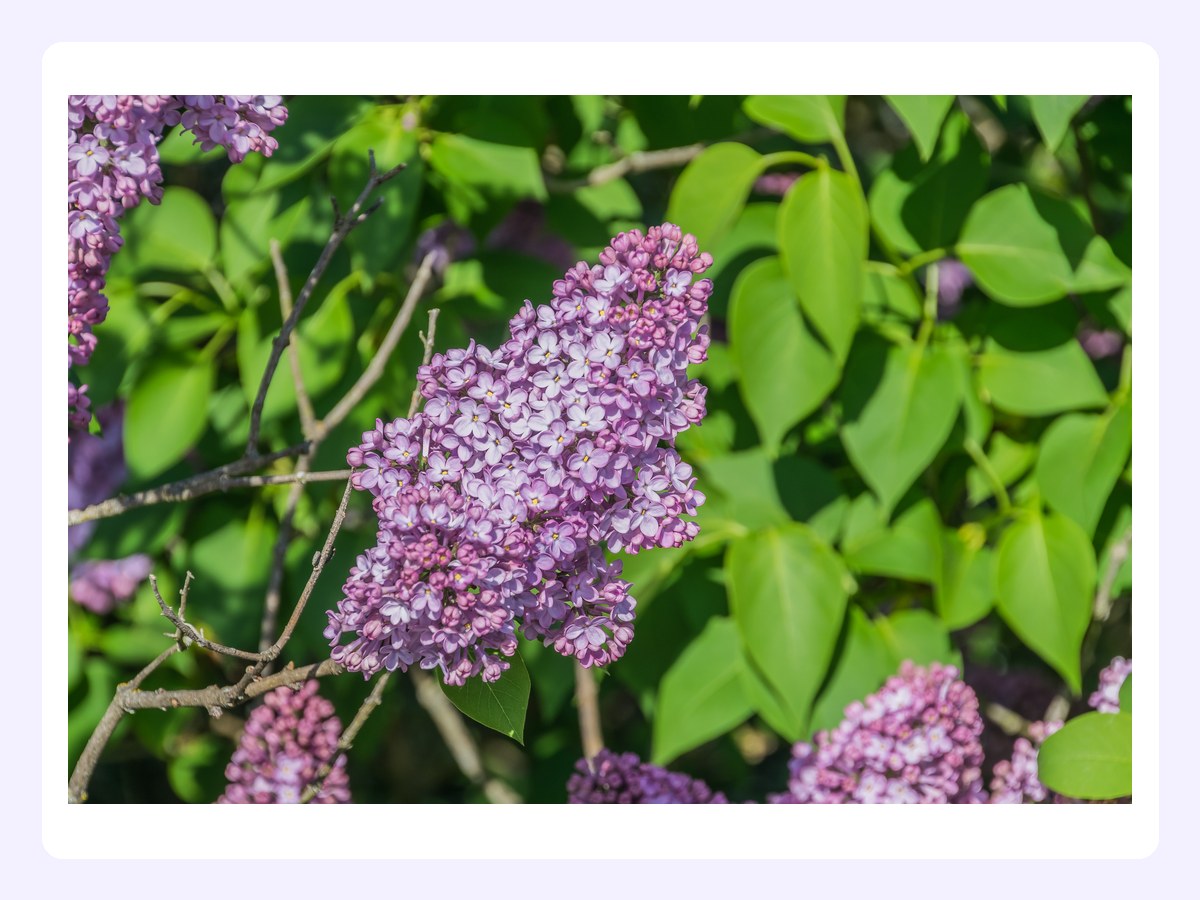 Lilac
Purple lilac represents first emotions of love in the RHS guide.
Krzysztof Golik · CC BY-SA 4.0 · Source record · License
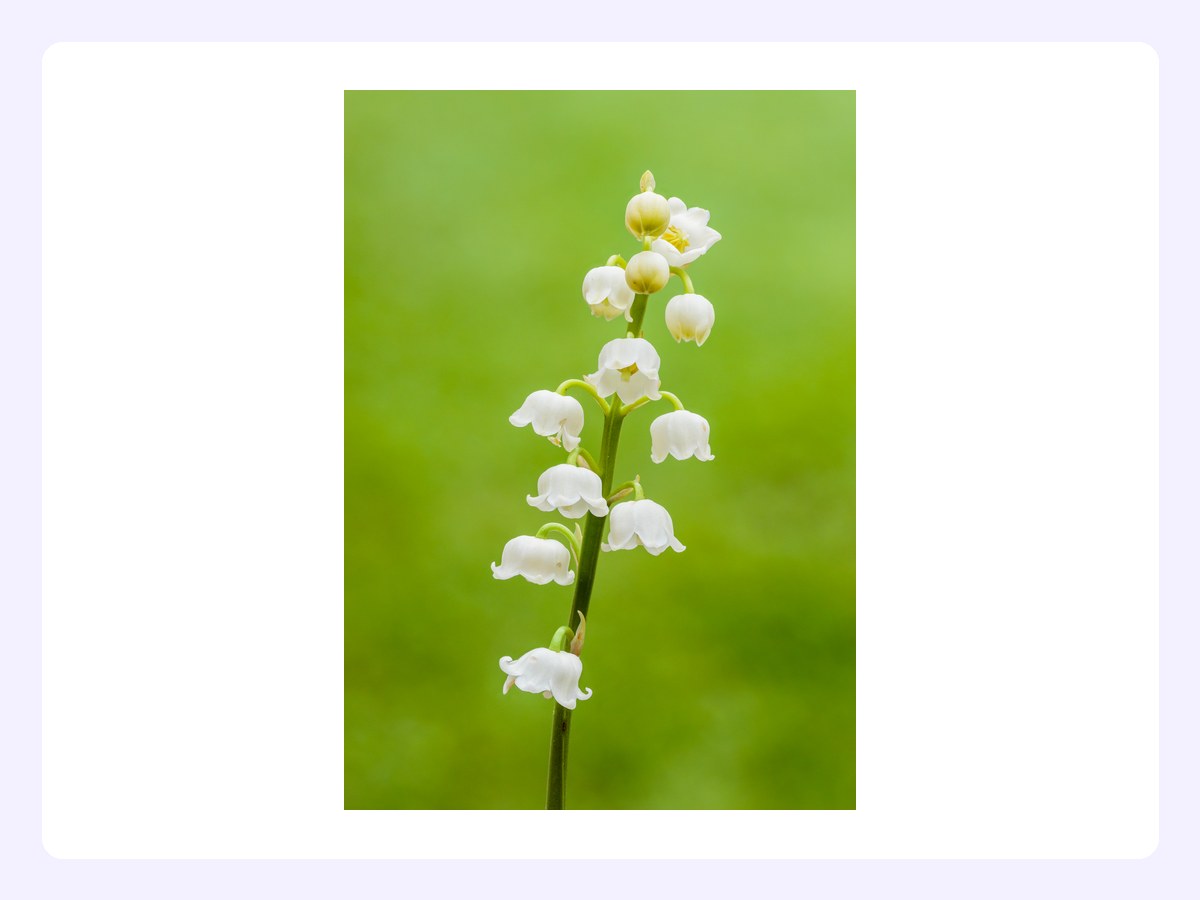 Lily of the valley
Return of happiness in flower language.
Agnes Monkelbaan · CC BY-SA 4.0 · Source record · License
Adoration in some guides, haughtiness in others: a useful example of conflicting codes.
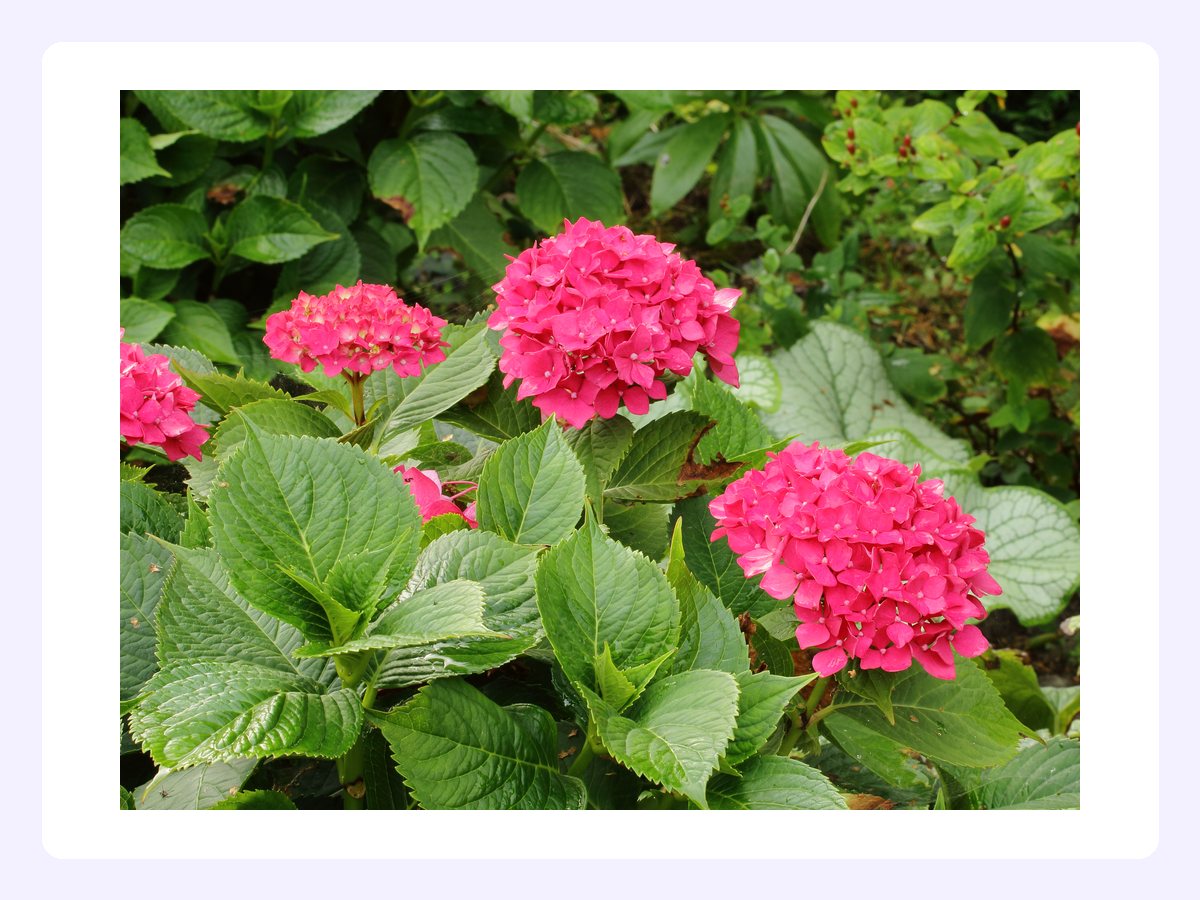 Hydrangea
Iowa State Extension records both thanks for understanding and coldness.
Dominicus Johannes Bergsma · CC BY-SA 3.0 · Source record · License
Passion in Smithsonian Gardens’ account of flower language.
Flower symbolism connects blossoms with human experiences such as love, growth, beauty, grief, and the passing of time. What a flower symbolizes depends on its species, color, setting, and the community interpreting it. A rose in a love poem, a lily in a Christian painting, and cherry blossoms in Japanese seasonal art do not belong to one interchangeable code.
The most useful question is therefore not simply “What does a flower symbolize?” Ask who chose it, when, and for what occasion. The guide below distinguishes documented flower-language meanings from religious imagery and interpretations you might choose for yourself.
Flower meanings at a glance
This chart is a starting point, not a universal dictionary. Most entries summarize European flower-language traditions as presented by the Royal Horticultural Society (RHS), with specific exceptions noted. Their limits matter as much as their familiar meanings.
| Flower | Documented association | Context to remember |
|---|---|---|
| Rose | Love; white for innocence, pink for admiration | Modern RHS guidance; historical color meanings can differ |
| Daisy | Innocence | RHS flower-language guide, not a meaning shared by every culture |
| Pink carnation | Woman’s love | One flower-language convention; striped carnations can instead indicate refusal |
| Blue hyacinth | Constancy or consistency | Color is part of the historical identification |
| Yellow iris | Flame of love | The RHS lists this specifically for yellow iris |
| Purple lilac | First emotions of love | White lilac is assigned youthful innocence in the same guide |
| Lily of the valley | Return of happiness | A flower-language association, not a promise about events |
| Sunflower | Adoration or dedication | RHS guidance; other dictionaries can assign haughtiness |
| Hydrangea | Thanks for understanding, or coldness | Iowa State Extension records conflicting meanings |
| Tulip | Passion | Smithsonian Gardens’ account of flower language |
For the most familiar love flower, see the separate guide to rose symbolism and rose colors. For the wider interpretive problem, color symbolism explains why a hue alone cannot settle a flower’s meaning.
Why flowers became symbols
Flowers make persuasive symbols because their visible changes resemble experiences people already understand. A tightly closed bud can suggest potential; an open bloom can suggest fulfillment; fallen petals can suggest loss. These are accessible visual readings, but they are interpretations rather than botanical facts about what a plant intends.
Seasonality adds another layer. A flower that appears briefly can help an artist express transience. A flower returning after winter can serve as a personal emblem of renewal. The connection becomes stronger when a poem, ceremony, or religious story gives it a particular setting.
Scale matters too. A single flower held by a person may function as an attribute or a gift. A whole field may establish a season or atmosphere. A decorative border might be chosen for its appearance without carrying a hidden message at all. Recognizing a flower is the beginning of interpretation, not proof that every petal must stand for something.
What was the Victorian language of flowers?
Floriography is the practice of assigning messages or sentiments to flowers and other plants. Nineteenth-century European and American books made such associations into illustrated dictionaries. The RHS identifies the decades from the 1820s to the 1880s as a particularly fashionable period for encoded floral messages in Britain and America.
These books were not one agreed reference system. Different authors selected different stories, qualities, and associations for the same plant. The Royal Collection Trust holds Henry Phillips’s Floral Emblems, published in 1825, evidence that the publishing tradition was already developing before Victoria became queen. Calling every flower meaning “Victorian” can hide this longer and less tidy history.
It is also worth separating a proposed code from proof of everyday use. English Heritage cautions that evidence for people constructing precise messages through bouquets is lacking; the dictionaries may often have functioned more like a genteel parlor game. Their popularity in books and visual culture is much easier to demonstrate than a universal system of secret courtship.
This does not make flower language meaningless. It makes it a cultural practice with variation. If a novel names a particular dictionary or a family keeps a particular tradition, that local convention may matter more than a modern florist’s chart.
Why flower meanings contradict one another
The hydrangea problem
Iowa State University Extension lists both “thank you for understanding” and “frigidity, heartlessness” for hydrangea. Those sentiments are nearly opposites. Rather than choosing the more appealing one and calling it the original meaning, preserve the disagreement. A hydrangea can be a beautiful thank-you gift today without proving that every historical recipient would have interpreted it that way.
The sunflower problem
The RHS associates the sunflower with pure thoughts, adoration, and dedication. A University of Illinois Extension flower-language sheet instead lists haughtiness. This is a useful warning about the phrase “flowers and their meanings”: the possessive makes an association sound like a permanent property of the plant. Often it is a choice made by a particular compiler.
The color problem
Pink and striped carnations do not necessarily carry the same message in flower-language books. Nor should a meaning assigned to a yellow iris automatically be transferred to every iris. If you are identifying a flower in an artwork, uncertainty about its species or color should make the interpretation more cautious, not more elaborate.
Flowers in religious and cultural settings
The white lily in European Christian art
The Metropolitan Museum of Art’s essay on botanical imagery in European painting describes the white lily’s association with the Virgin Mary. In that setting, its whiteness can express purity. A flower carried by a holy figure or placed in a devotional scene is operating within a specific religious vocabulary.
That is a different question from what white lilies mean in a contemporary bouquet. Look at the surrounding subject before deciding which tradition applies. Our guide to Christian symbols provides the broader iconographic setting.
Cherry blossoms and passing seasons in Japanese art
The Met’s account of seasonal imagery in Japanese art discusses short-lived cherry blossoms within meditations on time, loss, and the changing seasons. Their brevity can make beauty and impermanence visible together. The blossoms belong to seasonal poetry, artistic conventions, and particular works, not a rule that every Japanese person must read the same way.
For related context, explore Japanese symbols. Keep seasonal references distinct from a one-word translation: an image can express pleasure in spring while also acknowledging how quickly spring passes.
The lotus is not simply another bouquet flower
Religious flowers deserve more than a universal list of positive feelings. A lotus in a devotional image should be read through the tradition and figure shown, not through a European bouquet dictionary. The dedicated guide to lotus flower symbolism separates these contexts and their different visual histories.
Flowers symbolizing growth and new beginnings
If you are looking for flowers symbolizing growth, first decide whether you want a documented historical association or a personal metaphor. Those are both legitimate choices, but they should be described differently.
A bud, a seedling beside a bloom, or a sequence of opening flowers can communicate development without claiming that a particular species has always meant “personal growth.” The change in the image does the symbolic work. This is often more precise than attaching a long list of virtues to a single flower.
For a named flower-language association, lily of the valley’s “return of happiness” can suit a message about starting again. A sunflower can express dedication under the RHS convention. Neither is a prediction that happiness will return or that a goal will succeed. The sender is expressing a wish, commitment, or interpretation.
For a graduation card, you might write, “I chose these opening buds for everything still ahead of you.” That clearly marks the meaning as your own. When comparing longer-lived natural emblems of development, tree symbolism offers a useful contrast with a flower’s shorter visible life.
How to read a flower in a painting or poem
- Identify only what you can see. A generic blossom should not become a specific species just because that species produces an attractive interpretation.
- Establish the setting. A religious image, a portrait, a still life, and a commercial greeting card call for different evidence.
- Notice condition and placement. Buds, cut stems, fallen petals, and flowers held by a figure may work differently within the composition.
- Consult a relevant source. Prefer the museum’s object record, an artist’s text, or a dictionary from the work’s period over an undated online list.
- Leave room for decoration. A painter can enjoy flowers as flowers; symbolic and visual pleasures can coexist.
This method avoids turning every still life into a puzzle with one answer. The same attention to context guides our introduction to symbolism in art.
Choosing flowers for a meaningful gift
Begin with the recipient’s preferences and the occasion. A favorite flower or a shared memory is usually a clearer message than an obscure dictionary entry. When cultural or religious customs matter, use the recipient’s own expectations rather than assuming a general internet chart applies.
Add a short note if you want a precise sentiment understood. “These are for your first spring in the new house” is clearer than hoping a tulip will communicate several sentences by itself. Flower symbolism works best as an extra layer of care, not a test the recipient must decode.
Finally, separate symbolism from practical suitability. Calling a flower a symbol of innocence or happiness says nothing about whether it is safe around children or pets. A symbolic interpretation is not a health claim, and no flower needs supernatural powers to make a meaningful gift.
Frequently asked questions
What does a flower symbolize?
A flower can symbolize love, beauty, growth, grief, or the passing of time. The most defensible meaning depends on the species, color, occasion, and cultural or artistic setting.
Which flowers symbolize growth?
There is no universal historical flower for personal growth. Opening buds can work as a clear visual metaphor. Lily of the valley’s documented flower-language association with the return of happiness can suit a message about renewal.
Do all flower colors have fixed meanings?
No. Color meanings vary between flower-language books, modern gift conventions, and religious or cultural settings. Identify the relevant tradition rather than applying one chart everywhere.
Did Victorians really communicate secretly with bouquets?
Flower-language dictionaries were popular, but English Heritage cautions that evidence for constructing precise messages through real bouquets is lacking. Their documented publishing history should not be confused with proof of a universally used secret code.
Sources & further reading
- Royal Horticultural Society: Literacy focus, Flowers as symbols
- Royal Horticultural Society: The language of flowers, a lover’s code
- English Heritage: The Language of Flowers
- Royal Collection Trust: Henry Phillips, Floral Emblems (1825)
- Iowa State University Extension: Flowers and Their Meanings
- University of Illinois Extension: Floriography, The meaning of flowers
- Smithsonian Gardens: The Language of Flowers
- The Metropolitan Museum of Art: Botanical Imagery in European Painting
- The Metropolitan Museum of Art: Seasonal Imagery in Japanese Art