Nature
Rose Symbolism in Love, Color, Religion, and Art
A rose can express romantic love, religious devotion, beauty, or dynastic identity. Its color matters, but the setting and historical evidence matter more.
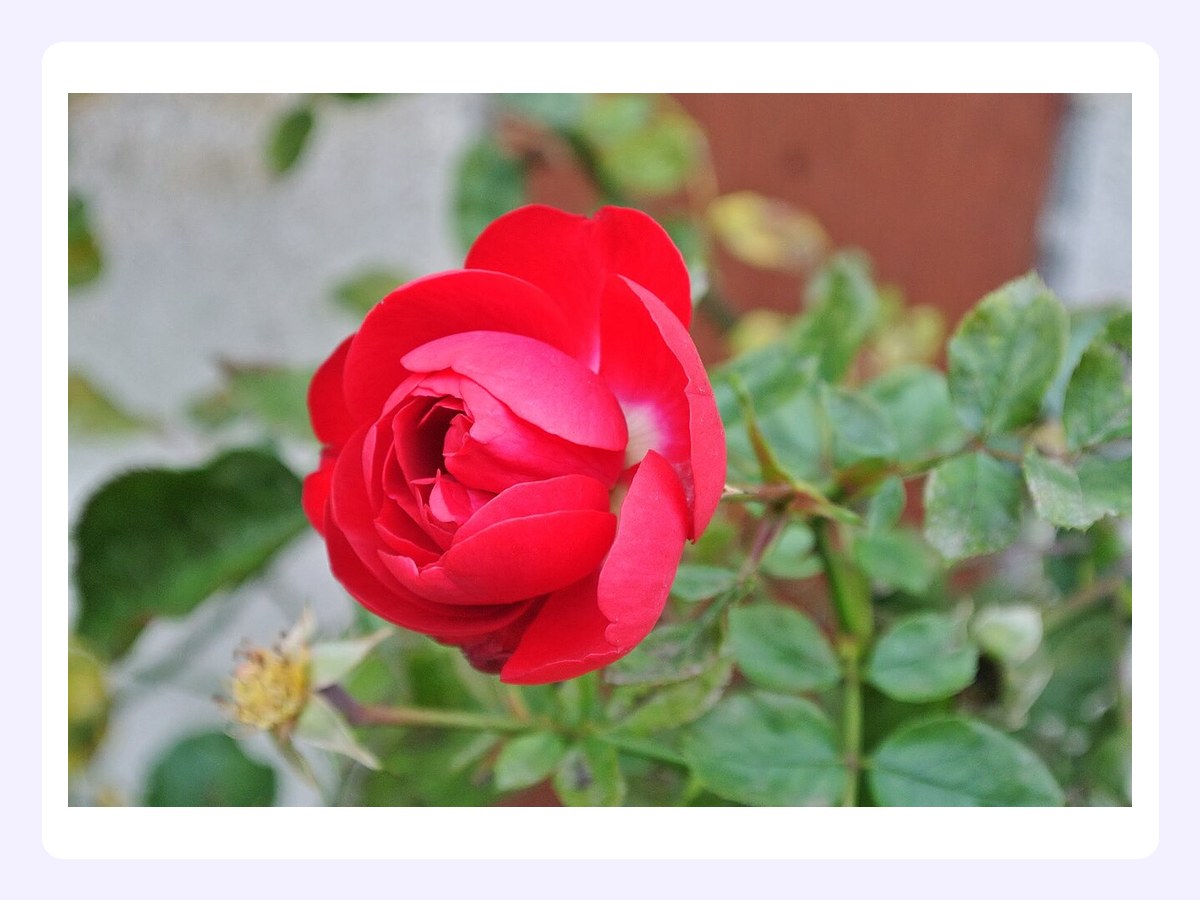

Rose symbolism most often suggests love and beauty, especially when a red rose is given as a romantic gift. A rose can also represent innocence, religious devotion, loss, or political identity. What a rose symbolizes depends on its color, condition, and setting, not on a single meaning shared by everyone.
A bouquet, a medieval devotional image, and a Tudor badge may all contain roses while saying quite different things. Start with the use you are looking at, then bring in the history. The rose’s long symbolic life is interesting precisely because it has never belonged to romance alone.
What does a rose symbolize?
In familiar modern flower language, a rose is a symbol of love. The Royal Horticultural Society (RHS) lists red roses for eternal love, white for truth and innocence, pink for admiration, joy, and gratitude, and yellow for friendship and caring. These are useful modern conventions, not a timeless international standard.
Historical evidence makes the picture richer. The Metropolitan Museum of Art describes roses associated with the Virgin Mary, the wounds of Christ, and romantic love. In English royal imagery, the combined red-and-white Tudor rose expresses dynastic union rather than a private courtship message.
It helps to separate three questions: What does this rose mean in a gift today? What did a particular author say it meant? What is it doing in this specific image? Each question calls for a different kind of evidence. The broader guide to flower symbolism explains why flower dictionaries disagree.
The meaning behind the color of roses
This table uses the RHS’s modern guidance where it gives an explicit meaning. The final column records important limits and historical differences. It should not be used as a translation key for every rose in a painting or every bouquet across cultures.
| Rose color | Useful modern reading | Historical or practical caution |
|---|---|---|
| Red | Romantic love; the RHS says eternal love | Red roses can also carry Christian devotional meanings |
| White | Truth and innocence | In medieval Marian imagery, whiteness can signify chastity |
| Pink | Admiration, joy, gratitude | Do not assume every shade has its own established historical definition |
| Yellow | Friendship and caring | English Heritage records decrease of love in historical flower language |
| Red and white together | Unity | A Tudor emblem carries a specific royal and political meaning |
| Peach | A personal choice for thanks or gentle affection | No fixed historical definition is established by the institutional sources used here |
Red roses: love is the starting point
Red is the most readily recognizable romantic rose color in the modern convention summarized above. A red rose on a card, paired with affectionate words, usually needs little explanation. Even here, the surrounding context remains important: in a religious image, redness may direct attention to a sacred subject rather than to a lover.
A symbol can remain recognizable while taking on different roles. “Love” may mean romantic desire, committed care, or devotion depending on the work or occasion. Avoid treating those uses as identical just because their flowers share a color.
White roses: innocence and devotion
White roses can communicate innocence under the RHS convention. In the Met’s discussion of medieval gardens, white roses associated with Mary signify her chastity. These meanings overlap, but the religious interpretation is more specific than a general suggestion of freshness or elegance.
A white rose at a wedding, in a devotional painting, or in a memorial arrangement may therefore be understood differently. The occasion and the people using it should guide the reading. Color alone does not tell you whether an image is celebratory, religious, or mournful.
Pink roses: admiration and gratitude
The RHS associates pink roses with admiration, joy, and gratitude. That makes pink a reasonable choice when you want a rose’s affectionate character without automatically emphasizing passionate romance. A note can distinguish a thank-you from a declaration of love.
Detailed online charts sometimes divide pale pink, medium pink, and dark pink into rigid categories. Unless a source identifies the particular convention being used, it is safer to treat those divisions as optional gifting choices rather than historical rules.
Yellow roses: friendship, but not always
Yellow provides the clearest warning against a supposedly eternal flower code. The RHS lists friendship and caring. English Heritage’s historical flower-language material records a yellow rose as “decrease of love.” The modern friendly reading and the older discouraging reading can both be documented.
This does not mean a yellow bouquet secretly insults someone. It means symbols change through use. If you are interpreting a historical text, find a contemporary source if possible. If you are giving flowers now, the recipient’s expectations and your note matter more than an unfamiliar old dictionary.
Peach rose symbolism: a choice, not a proven ancient code
Peach rose symbolism is often presented online as gratitude, sincerity, or appreciation. Those are perfectly usable intentions for a gift, but the institutional sources cited here do not establish a fixed historical definition for peach roses. We therefore do not label any of these meanings ancient, universal, or uniquely Victorian.
You can still choose peach roses to say thank you. Write that intention plainly: “These are for all the kindness you showed us.” That turns a plausible association into an understood message. It is more useful than claiming that a peach rose, by itself, has always communicated a precise sentiment.
Roses in Christian symbolism
In medieval European Christian imagery, roses can belong to a sacred rather than romantic vocabulary. The Met’s discussion of beauty and fragrance explains that the rose was especially associated with the Virgin Mary: red roses signified her charity and white roses her chastity.
A concrete example is the Met’s German statuette Virgin and Child with an Apple and a Rose. The museum explains Mary’s rose as an image of the purest flower among the thorns of sin, while the infant’s apple relates to redemption. The two plants form part of a religious argument inside that object.
That interpretation should not be copied onto every portrait of someone holding a rose. The identities of the figures and the accompanying objects establish the relevant framework. Our guide to Christian symbols places floral attributes beside other devotional signs.
The Met also notes the rose’s association with the Five Wounds of Christ in its discussion of heraldic gardens. This is another reason not to reduce a red flower in religious art to a romantic gesture. Sacred meanings are specific to the tradition and image, not concealed messages that override every other use of the plant.
The Tudor rose: a political flower
The Tudor rose combines red and white elements associated with the houses of Lancaster and York. Historic Royal Palaces explains that Henry VII used the emblem after his marriage to Elizabeth of York united the two houses. Here the rose communicates dynastic identity and union.
This is heraldry, so stylization is part of the point. You do not need to identify a natural rose cultivar to understand a royal badge. A formal arrangement of petals can act as an emblem even when it does not resemble a flower growing in a garden.
Nor should the history be reduced to an ordinary bouquet message. The modern association of red and white roses with unity resembles the badge’s theme, but the Tudor device has a particular political setting. In a palace decoration, royal portrait, or architectural detail, that setting may be decisive.
Roses in poetry and visual art
Love, freshness, and time in Burns
Robert Burns’s A Red, Red Rose compares the speaker’s love to a newly flowering June rose. The image emphasizes freshness and beauty, while the poem’s later promises extend love beyond ordinary measures of time. The poem gives the rose its particular emotional force; a dictionary entry for red does not explain the whole work.
Strictly speaking, the opening comparison is a simile because it uses “like.” A flower can still participate in a larger symbolic pattern within a poem. Distinguishing those devices makes a reading clearer rather than less appreciative. See symbolism in literature for the difference between an image’s immediate comparison and its wider significance.
Printed roses and flower-language evidence
The Met’s essay “A Rose by Any Other Name” examines historic valentines and printed flower imagery. One revealing example is a commercial card that labels a tea rose with jealousy. The image documents a particular pairing circulated in print; it does not prove that all tea roses have always meant jealousy.
This is the advantage of studying actual objects. A caption printed on a card, an inscription, or a museum’s explanation offers firmer evidence than an anonymous list claiming to decode every bloom. The guide to symbolism in art develops this object-centered approach.
What do thorns, buds, and fading roses mean?
A rose’s condition can matter as much as its color. A bud can suggest possibility or developing affection. A fading flower can support an interpretation about beauty passing or an experience ending. Thorns can create a contrast between attraction and pain. These are possible visual readings, not fixed messages present in every image.
Check whether the work actually emphasizes those details. A thorn beside an injured hand is stronger evidence for a painful contrast than a tiny thorn in an otherwise neutral botanical illustration. Fallen petals can matter in a composition about time, but they can also be part of an accurate depiction of a cut flower.
The same caution applies to personal designs and memorials. You may choose a rosebud to represent an unfinished chapter or a blooming rose for someone’s vitality. Describe that as a chosen meaning unless you have evidence for a specific inherited tradition.
How to choose or interpret a rose thoughtfully
For a gift, start with the relationship, occasion, and recipient’s taste. Use color conventions as a helpful guide, then add words if precision matters. There is no need to rely on an unverified numerical code claiming that a particular number of stems always translates into a specific sentence.
For an artwork, begin with its date, place, subject, and object record. Compare the flower with the whole composition before consulting a general meanings chart. Our guide to color meanings and their limits is a useful companion.
The most reliable interpretation is often modest: this rose supports love, devotion, or royal identity in this setting. That is more informative than making one flower stand for every attractive idea at once.
Frequently asked questions
What are roses a symbol of?
Roses commonly symbolize love and beauty. In specific settings they can also express innocence, Christian devotion, the passing of time, or dynastic identity, as with the Tudor rose.
What does a yellow rose symbolize?
The RHS’s modern guidance lists friendship and caring. English Heritage records decrease of love in historical flower language. These contrasting associations show why period and occasion matter.
What is the meaning of a peach rose?
A peach rose can be chosen to express thanks, appreciation, or gentle affection. The institutional sources used here do not establish one fixed historical meaning, so a personal note is the clearest way to convey your intention.
What does a rose symbolize in Christianity?
In medieval Marian imagery, roses can refer to the Virgin Mary; the Met associates red with her charity and white with her chastity. Roses also occur in imagery associated with the Five Wounds of Christ. The particular artwork determines the reading.
Do rose thorns always symbolize suffering?
No. Thorns can support a contrast between beauty and pain when a work emphasizes it, but they are also ordinary features of a rose. Interpret their role through the surrounding image or text.
Sources & further reading
- Royal Horticultural Society: Literacy focus, Flowers as symbols
- English Heritage: The Language of Flowers
- English Heritage: What not to say with flowers
- The Metropolitan Museum of Art: On Beauty and Fragrance
- The Metropolitan Museum of Art: The Garden in Heraldry
- The Metropolitan Museum of Art: Virgin and Child with an Apple and a Rose
- The Metropolitan Museum of Art: “A Rose by Any Other Name”
- Historic Royal Palaces: The Wolsey Closet
- Poetry Foundation: Robert Burns, A Red, Red Rose