Nature
The Bird as a Symbol of Freedom, Hope, and Power
A bird can stand for freedom, divine presence, political authority, or an ordinary life worth protecting. Its species, setting, and cultural history determine which meaning fits.
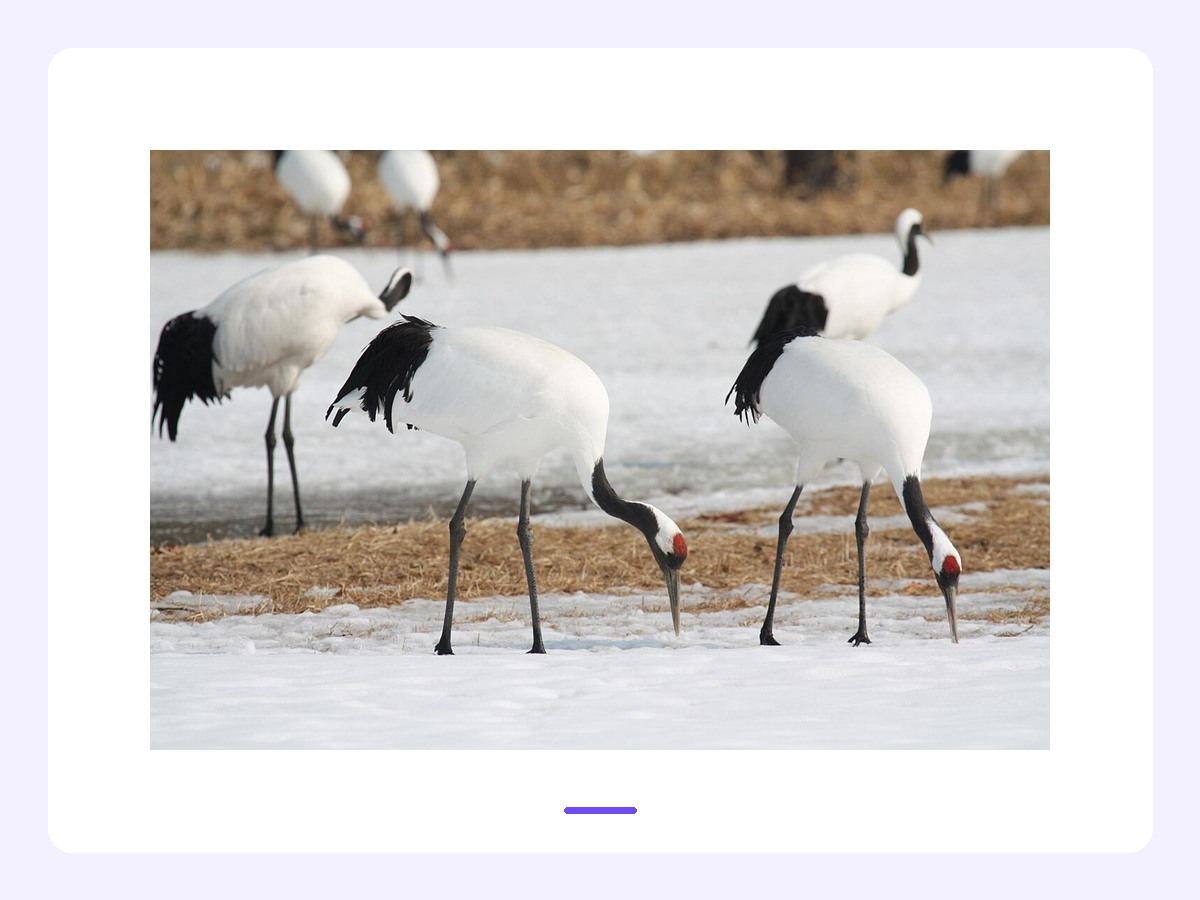

The bird as a symbol often suggests freedom, hope, or a connection between earth and sky. But there is no single bird symbol meaning: a dove at Christ’s baptism, an eagle on a national seal, and a crane on a Chinese official’s robe communicate different ideas. The best interpretation starts with the particular bird and the evidence around it.
Flight makes an appealing metaphor for escape or aspiration. Other associations come from a written story, a religious image, or an official system that assigned a species a precise role. Keeping those sources separate makes bird symbolism more interesting, and more accurate, than a list of universal messages.
What does a bird symbolize?
At its broadest, a bird can represent movement beyond ordinary limits. A person on the ground watches it enter space they cannot reach unaided. In a painting or poem, that contrast can support a reading of freedom, imagination, longing, or spiritual aspiration. These are interpretive possibilities, not a natural code every culture shares.
A bird can also mean almost the opposite. A caged bird may make restriction visible. A bird of prey on an official emblem can express authority rather than escape. A tiny bird in a religious teaching can direct attention to vulnerability rather than strength. Ask what the image is doing before deciding what the species means.
The difference between a motif and a symbol matters here. A bird painted among flowers may simply contribute to a lively garden scene. Repetition, an inscription, a recognized story, or a museum’s documented interpretation can establish a further meaning. Our guide to what symbolism is explains how an ordinary subject acquires an additional layer of significance.
Bird symbols and their meanings at a glance
- Dove: the Spirit of God in the Gospel baptism narrative; a sign of receding floodwater in Genesis. Later associations need their own context.
- Bald eagle: American national authority in the Great Seal, where the surrounding objects express specific political ideas.
- Crane: longevity in documented Chinese art; the highest civil rank in the Chinese badge examples discussed below.
- Wild goose: fourth civil rank on a Qing-dynasty badge in the Metropolitan Museum of Art.
- Sparrow: the value of a small, inexpensive creature in Jesus’ teaching in Matthew.
- Raven: grief and inescapable remembrance in Poe’s poem, rather than a universal prediction of death.
- An unnamed songbird: the sustaining presence of hope in Emily Dickinson’s famous metaphor.
This is a comparison of documented uses, not a fortune-telling chart. A species may carry other meanings elsewhere, and a stylized silhouette may not be identifiable to species at all.
Doves in the Bible: two stories, distinct meanings
In Genesis 8, Noah sends out birds to test conditions after the flood. A dove eventually returns with a freshly plucked olive leaf. Noah understands that the waters have diminished. When he releases the dove again, it does not return.
The story supplies a concrete sequence: departure, return, evidence of vegetation, and finally a world in which the bird can remain outside the ark. Reading the dove as a sign of relief or renewed possibility is grounded in that narrative. The passage does not provide a dictionary declaring that every dove sighting means peace.
In Matthew 3:16, the Spirit of God descends like a dove at Jesus’ baptism. Here the religious meaning comes from the text and its setting. A dove above a baptism scene is not merely a decorative reference to gentleness. It participates in a recognizable account of divine presence.
These examples explain why a single bird can support overlapping but different associations. Our fuller guide to dove symbolism separates the flood story, Christian imagery, and peace imagery; the overview of Christian symbols places the baptismal dove alongside other religious signs.
The eagle as an emblem of political power
The Great Seal of the United States shows how official explanation can make a bird’s meaning unusually precise. According to the National Museum of American Diplomacy, the 1782 design expresses national strength, unity, and independence. The eagle holds an olive branch and arrows, representing the powers of peace and war.
The bird’s turned head matters too. Its gaze toward the olive branch expresses a preference for peace while the arrows preserve the statement of readiness to defend. Calling the whole image simply a symbol of freedom loses much of what its designer and official interpreters intended.
This is a useful model for reading heraldic birds more generally: examine the beak, wings, talons, shield, and accompanying objects together. A bird on a seal operates within a designed arrangement. Its species does not erase the information carried by everything around it.
Cranes and geese in Chinese art
In Chinese art, bird imagery can work through auspicious associations or a formal system of rank. These uses should not be collapsed into a general claim about what birds mean throughout Asia. The Metropolitan Museum’s essay Longevity in Chinese Art explains the crane’s connection with long life, including its role as a conveyance of Daoist immortals.
The same essay notes how a crane’s white feathers could recall an elderly person’s white hair. A pair could suggest an elderly couple. In such a composition, other motifs may reinforce the wish for long life. The crane participates in a particular visual vocabulary rather than functioning as a free-floating message from nature.
A museum comparison: two birds, two ranks
The Met’s Rank Badge with Crane, dated to the seventeenth to early eighteenth century, identifies its crane with the highest civil rank. The object belongs to a system of badges worn to communicate official status. On that garment, identifying the bird correctly was part of reading a person’s position.
Compare it with the museum’s Qing-dynasty Rank Badge with Wild Goose. Its wild goose corresponds to the fourth civil rank. The surrounding landscape may be rich with trees, rocks, flowers, and water, but the bird is not interchangeable with the crane.
These objects demonstrate why “bird equals freedom” is too broad for historical interpretation. A badge can convey hierarchy, not escape from it. For more examples of meanings tied to particular words, objects, and social settings, see our guide to Chinese symbols.
Small birds and the value of ordinary life
Not every important symbolic bird is majestic. In Matthew 10:29–31, Jesus refers to sparrows sold cheaply, then reassures his listeners that they matter to God. The small bird establishes a comparison between market value and care: inexpensive does not mean unnoticed.
Within that passage, the sparrow can help readers think about vulnerability and reassurance. Describing it only as a symbol of happiness would miss the argument. Likewise, the passage does not establish that a sparrow arriving at a window predicts a particular event. A religious teaching and a modern omen claim require different kinds of evidence.
Bird symbolism in poetry: hope and grief
Literature can create a bird’s symbolic meaning within a single work. In Emily Dickinson’s “‘Hope’ is the thing with feathers”, hope becomes a small, singing presence that survives difficult conditions. The bird’s continuing song supports the poem’s idea of persistence.
Dickinson does not need to identify an exact species. The image depends on feathers, song, smallness, and endurance. Assigning it a specific species from a modern symbolism chart would add information the poem does not supply. The more useful question is how its actions make the abstract idea of hope imaginable.
Edgar Allan Poe’s “The Raven” produces a very different effect. A grieving speaker hears the bird repeat “Nevermore” and increasingly treats that refrain as an answer to his losses and fears. The symbolic pressure comes from the speaker’s questions, the repeated response, and the poem’s enclosed, troubled atmosphere.
The raven in that poem is not evidence that living ravens foretell death. It is evidence of how a writer makes a bird carry psychological meaning. Comparing these two poems is a practical introduction to symbolism in literature: the same broad category of creature can embody sustaining hope or the inability to escape grief.
How to interpret a bird in a painting or design
- Identify only what is visible. If the species is uncertain, use “bird” rather than inventing a confident identification.
- Describe its action. A perched, singing, hunting, caged, or departing bird creates a different relationship with the scene.
- Check the setting. A baptism, official robe, national seal, and garden each suggest different questions.
- Read the supporting details. An olive leaf, inscription, shield, or companion figure may carry the clearest clue.
- Consult the closest evidence. Start with the object’s collection record, the literary passage, or the tradition’s own text.
It is also reasonable to conclude that the meaning remains uncertain. A decorative bird does not become a coded religious statement merely because it resembles a species used in religious art elsewhere. The strongest reading explains several details at once without ignoring the object’s date or place.
Spiritual meanings, dreams, and personal encounters
People may find a bird encounter comforting or use a bird image to remember someone. Those personal associations can be meaningful without being universal rules. A bird returning to a garden does not, by itself, establish that a deceased relative has sent a message or that a future event is approaching.
Dreams deserve the same distinction. A flying bird might suggest release to one dreamer and distance or loss to another. The surrounding events and personal associations matter more than a fixed lookup table. Our guide to dream symbolism discusses interpretation without treating images as diagnoses or predictions.
A careful final description names its level of certainty: “this badge identifies an official rank,” “this poem invites a reading of grief,” or “this bird has become my personal reminder of hope.” All three are legitimate kinds of meaning. They simply make different claims, and only the first two can be checked against the historical object or text.
Frequently asked questions
What is the most common meaning of a bird symbol?
Freedom is a familiar broad reading because birds can fly beyond human reach. It is not universal: the species, setting, and source may instead indicate divine presence, official rank, vulnerability, or grief.
Who does the bird symbolize?
There is no single person or being represented by all birds. A dove in a Christian baptism image can represent the Holy Spirit; a bird in a poem may represent the speaker, an emotion, or an idea.
Does seeing a bird mean someone has died?
A bird sighting is not evidence of a death or a supernatural message. Some people connect birds with remembrance, but personal associations should be distinguished from documented cultural traditions and verifiable events.
Why do cranes have more than one symbolic meaning?
Their role depends on the object. In documented Chinese art they can express longevity; on particular Chinese civil rank badges, a crane identifies the highest civil rank.
Sources & further reading
- Genesis 8, United States Conference of Catholic Bishops
- Matthew 3, United States Conference of Catholic Bishops
- Matthew 10, United States Conference of Catholic Bishops
- The Great Seal, National Museum of American Diplomacy
- Longevity in Chinese Art, The Metropolitan Museum of Art
- Rank Badge with Crane, The Metropolitan Museum of Art
- Rank Badge with Wild Goose, The Metropolitan Museum of Art
- “‘Hope’ is the thing with feathers” by Emily Dickinson, Poetry Foundation
- “The Raven” by Edgar Allan Poe, Poetry Foundation