Nature
Butterfly Symbols and Meanings Across Cultures
Transformation is only one butterfly meaning. Museum objects, philosophy, and living traditions also connect butterflies with the soul, joy, long life, and remembrance.
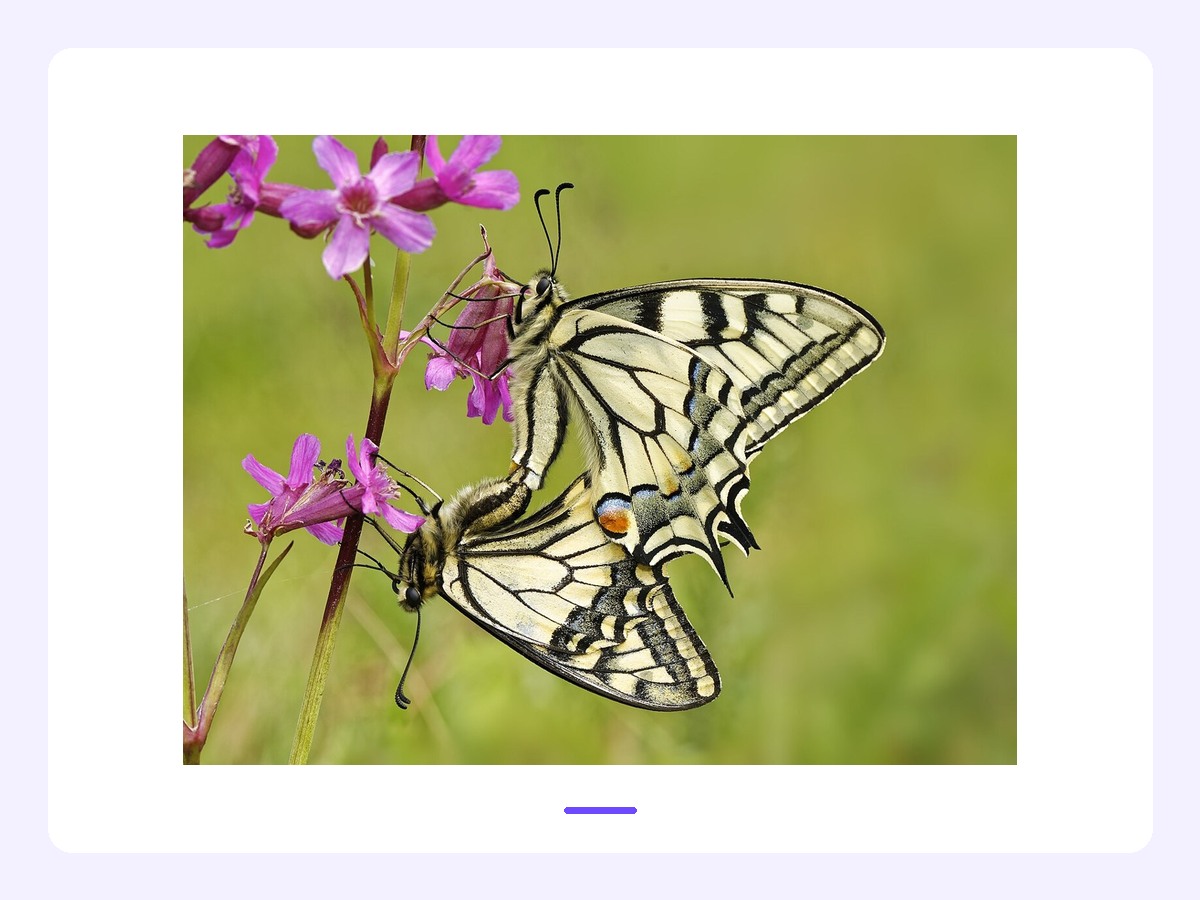

Butterfly symbols and meanings include transformation, the soul, joy, long life, and remembrance, depending on the culture and the object. Metamorphosis makes the butterfly an accessible image of change, but it does not explain every historical use. Chinese auspicious imagery, the story of Psyche, and monarch traditions in central Mexico each require their own evidence.
A butterfly can also be simply a butterfly: a natural-history subject, a garden visitor, or a decorative pattern. To decide whether it carries another meaning, look for a story, an inscription, a recognizable composition, or a reliable account of the tradition in which it appears.
What does a butterfly symbol mean?
The most useful short answer is change, with context. The visible difference between a caterpillar and a winged adult makes the insect a strong metaphor for becoming different while remaining part of one life. A person may choose it to mark a transition, a fresh beginning, or a changed understanding of themselves.
That modern personal reading should not be projected onto every older image. A butterfly on a Chinese garment might express a wish for joy or longevity. A butterfly associated with Psyche points toward the soul. In Zhuangzi’s famous dream, the insect raises questions about identity and perspective rather than offering a simple promise of self-improvement.
These distinctions are central to how symbolism works. The shape gives a viewer something recognizable; a particular setting gives it a more precise meaning. There is no authoritative worldwide chart that assigns the same message to every butterfly.
Butterfly meanings at a glance
- Transformation: an interpretation grounded in the insect’s changing life stages, often used in contemporary personal imagery.
- Soul: an association made explicit in art representing Psyche and in the Greek word’s linked meanings.
- Identity and perspective: questions posed by Zhuangzi’s butterfly dream.
- Joy and weddings: documented associations in Chinese art discussed by the Metropolitan Museum of Art.
- Longevity: another Chinese association, supported by wordplay and by the motifs accompanying butterflies.
- Remembrance of the dead: a documented connection in particular monarch traditions in central Mexico, not a belief shared identically by all Indigenous peoples.
Notice that these meanings arise in different ways. One depends on an animal’s biology, another on language, another on a philosophical story, and another on a seasonal cultural practice. Calling all of them “ancient butterfly wisdom” would erase the evidence that makes each distinctive.
Metamorphosis and the symbolism of transformation
Butterflies pass through four principal stages: egg, larva or caterpillar, pupa or chrysalis, and adult. The National Park Service’s account of butterflies and moths describes this complete metamorphosis. The striking change in body form is a biological process before it is a metaphor.
That sequence supports several thoughtful readings. The caterpillar may suggest growth and appetite; the chrysalis may suggest a stage of development largely hidden from view; the adult may suggest a changed relationship with the surrounding world. Those are interpretive analogies. They are not literal emotional states that scientists attribute to the insect.
It is misleading to say a caterpillar must die so that the butterfly can live. The pupa is a living developmental stage, not a corpse. It is also inaccurate to present emergence as a guarantee that every human difficulty leads to an uncomplicated happy ending. A symbol can express a hope without making a prediction.
For a memorial design, the same sequence may become an image of continuity through change. For a graduation card, it may mark a new stage of life. Neither use requires claiming that butterflies deliver messages, cure emotional pain, or confirm a spiritual destiny.
Psyche, butterflies, and the soul
The Smithsonian American Art Museum’s record for Hiram Powers’s Psyche explains that the Greek word psyche means both “soul” and “butterfly.” It also identifies the butterfly in the figure’s curling hair. This is a specific artistic connection, not a guess based only on the insect’s delicacy.
The museum describes Psyche as the beautiful maiden who falls in love with Cupid. In a work depicting her, a butterfly may help identify the mythological figure while also evoking the soul. The story, the name, and the visible attribute work together.
That does not establish that every Greek butterfly image represented a dead person, or that every later artist used the association in the same way. A museum label for one sculpture is evidence for that sculpture and its interpretive tradition. Wider claims require wider evidence.
This distinction is especially useful when comparing art across periods. An artist can quote an earlier association, alter it, or use an insect purely for its form. Our introduction to symbolism in art explains why identification, context, and documented intention should come before a fixed meaning chart.
Zhuangzi’s butterfly dream
A very different butterfly appears in the philosophical story associated with Zhuangzi. He dreams that he is a butterfly, contentedly fluttering about, unaware that he is Zhuang Zhou. On waking, he wonders about the distinction between the man dreaming of a butterfly and a butterfly dreaming of the man.
The Cleveland Museum of Art’s record for Box with Butterfly recounts this story from the second chapter of the Zhuangzi. A butterfly on an object associated with that story can invite reflection on identity, transformation, and the apparent certainty of waking experience.
Reducing the episode to “follow your dreams” misses its unsettling question. The story does not merely tell someone to become a better version of an unchanged self. It encourages the reader to reconsider how confidently they distinguish one state or perspective from another.
It should also be distinguished from a dream dictionary entry. Reading a story about a philosopher dreaming of a butterfly is not the same as interpreting an individual’s recent dream. Our guide to dream symbolism discusses why a remembered image does not come with a single verified prediction.
Butterflies in Chinese art: joy and long life
The Metropolitan Museum of Art documents butterflies as auspicious images associated with joy and weddings. Its essay Longevity in Chinese Art also explains a wordplay linking the butterfly’s name with old age. The linguistic association allows an image of a butterfly to express a wish for longevity.
This is a reminder that a visual symbol need not arise from how an animal behaves. Language can give a picture a second role. A viewer unfamiliar with the wordplay might see only a pleasing insect, while a viewer familiar with the convention could recognize a good wish.
Two museum objects that make the context visible
The Met’s Butterfly, a seventeenth-century Chinese work cataloged to the Ming dynasty, provides a concrete example. Its collection text explicitly discusses both joy and weddings, and longevity through wordplay. The museum’s explanation is stronger evidence than a modern list assigning butterflies one universal emotion.
The museum’s Woman’s robe with butterflies, cataloged to the Qing dynasty, sets numerous butterflies among longevity medallions. The neighboring motifs reinforce the auspicious reading. The museum suggests that the robe might have been worn for a wedding; that possibility should remain a possibility, not become a confidently invented account of its owner.
For readers comparing cultural motifs, our guide to Chinese symbols offers related examples. The key habit is the same: identify the visual elements, check the language or convention involved, and preserve any uncertainty in the collection record.
Monarchs, remembrance, and central Mexico
The arrival of migrating monarch butterflies in central Mexico has a documented connection with remembrance of the dead. The Smithsonian Center for Folklife and Cultural Heritage’s “Winged Messengers” discusses traditions among Purépecha communities in Michoacán and Mazahua communities in Estado de México that connect the butterflies with visiting ancestors.
Place and timing are important. The migration and the season of Day of the Dead celebrations bring a recurring natural event into a setting of family remembrance. That is more specific than saying that all butterflies everywhere symbolize the souls of the dead.
Claims about the exact antiquity of the migration connection require caution. Archaeology magazine’s reporting on Mexico’s butterfly warriors distinguishes ancient butterfly imagery from direct evidence that ancient central Mexicans gave the monarch migration itself this significance. The presence of old butterfly motifs does not by itself date every modern belief about monarchs.
The responsible approach is to describe the living traditions that sources document without treating different Indigenous communities as interchangeable. It also respects the difference between explaining a belief and presenting that belief as scientific proof that an insect contains a human soul.
Do butterfly colors and species have fixed meanings?
No universal historical system gives every color or species a fixed message. A blue butterfly can be selected by an artist for beauty or contrast. An orange-and-black butterfly may invite identification as a monarch, but color alone is not enough to establish either the species or the intended cultural reference.
Lists that declare pink means love, green means money, and black means imminent death often omit the place, date, or source for those claims. Without that evidence, such descriptions are better understood as contemporary interpretations than inherited rules. Our guide to color symbolism explains why an image’s palette needs context too.
Species matter when a source actually identifies them. The monarch’s seasonal movement is central to the Mexican example above. By contrast, a stylized butterfly on a Chinese robe may be meaningful without a confident modern species identification. Precision sometimes means naming the species, and sometimes means admitting it cannot be established.
How to read a butterfly image carefully
- Start with the object. Is this a scientific illustration, garment, memorial, sculpture, or personal design?
- Look for companions. A named mythological figure, longevity medallions, flowers, or an inscription can narrow the possibilities.
- Identify the relevant tradition. Use a museum record, a philosophical text, or a careful account of a particular community.
- Separate evidence from response. “The museum links this motif to longevity” and “this image reminds me of starting over” are different kinds of statement.
That distinction leaves room for personal meaning. A butterfly can become someone’s reminder of a loved one or a change they have lived through. It does not need to be an omen to matter. The strongest interpretation honors that individual response while remaining honest about what the historical evidence can, and cannot, establish.
Frequently asked questions
What does a butterfly symbol mean?
Transformation is a familiar reading, but butterflies also represent the soul in art associated with Psyche, joy and longevity in documented Chinese art, and remembrance in particular monarch traditions in central Mexico.
Does a butterfly represent a deceased loved one?
It can serve as a personal memorial symbol. Particular communities in central Mexico also connect migrating monarchs with visiting ancestors. A butterfly sighting alone is not verifiable evidence of a supernatural message.
Do different butterfly species have different symbolic meanings?
Sometimes species matters within a specific tradition, as with migrating monarchs in central Mexico. There is no universal system assigning a documented spiritual meaning to every species.
What does a blue butterfly mean?
Its meaning depends on the work or person using it. Blue may be an artistic choice or a personal association; the color alone does not establish a fixed historical message or predict an event.
Does a caterpillar die inside its chrysalis?
No. The pupa is a living stage in complete metamorphosis. Describing it as death followed by resurrection is a metaphor, not a biological account.
Sources & further reading
- Butterflies and Moths, Grand Canyon National Park
- Psyche by Hiram Powers, Smithsonian American Art Museum
- Box with Butterfly, Cleveland Museum of Art
- Longevity in Chinese Art, The Metropolitan Museum of Art
- Butterfly, The Metropolitan Museum of Art
- Woman’s robe with butterflies, The Metropolitan Museum of Art
- Winged Messengers: How Monarch Butterflies Connect Culture and Conservation in Mexico, Smithsonian Center for Folklife and Cultural Heritage
- Mexico’s Butterfly Warriors, Archaeology magazine